
The BRICS bloc now counts 11 members, and several of the largest holders have trimmed their US Treasury positions over the past year.
China cut its stake by $71.5 billion between September 2024 and September 2025, dropping from $772 billion to $700.5 billion. India reduced holdings by $44.5 billion, Brazil by $61.9 billion, and Saudi Arabia by $9.6 billion, per the US Treasury’s TIC Major Foreign Holders table.
The moves are real, measurable, and concentrated among the bloc’s heaviest official-sector players.
But total foreign holdings of Treasuries rose over the same span, climbing from roughly $8.77 trillion to about $9.25 trillion.
The broader market absorbed the official-sector selling without stress, as net foreign private inflows in August and September offset net foreign official outflows, according to the Treasury’s November 18 TIC statement.
The story is less “the world dumps US debt,” and more “some large emerging-market central banks diversify while other buyers, often private, step in.”
The question for crypto markets is whether that marginal rebalancing, combined with currency and real-yield moves, strengthens the case for Bitcoin as a hedge against monetary instability.
The de-dollar narrative meets exchange-rate reality
The IMF’s second-quarter COFER data shows the dollar share of allocated global reserves at 56.32%, down from earlier quarters.
But the IMF’s accompanying blog stresses that currency moves explained about 92% of the decline during the period, tied to the sharp first-half drop in the DXY.
Exchange-rate effects, not a sudden shift in central bank preferences, drove most of the headline erosion.
That distinction matters when assessing how much reserve managers are actually rotating out of dollars versus how much the numbers reflect mark-to-market moves in a basket of assets.
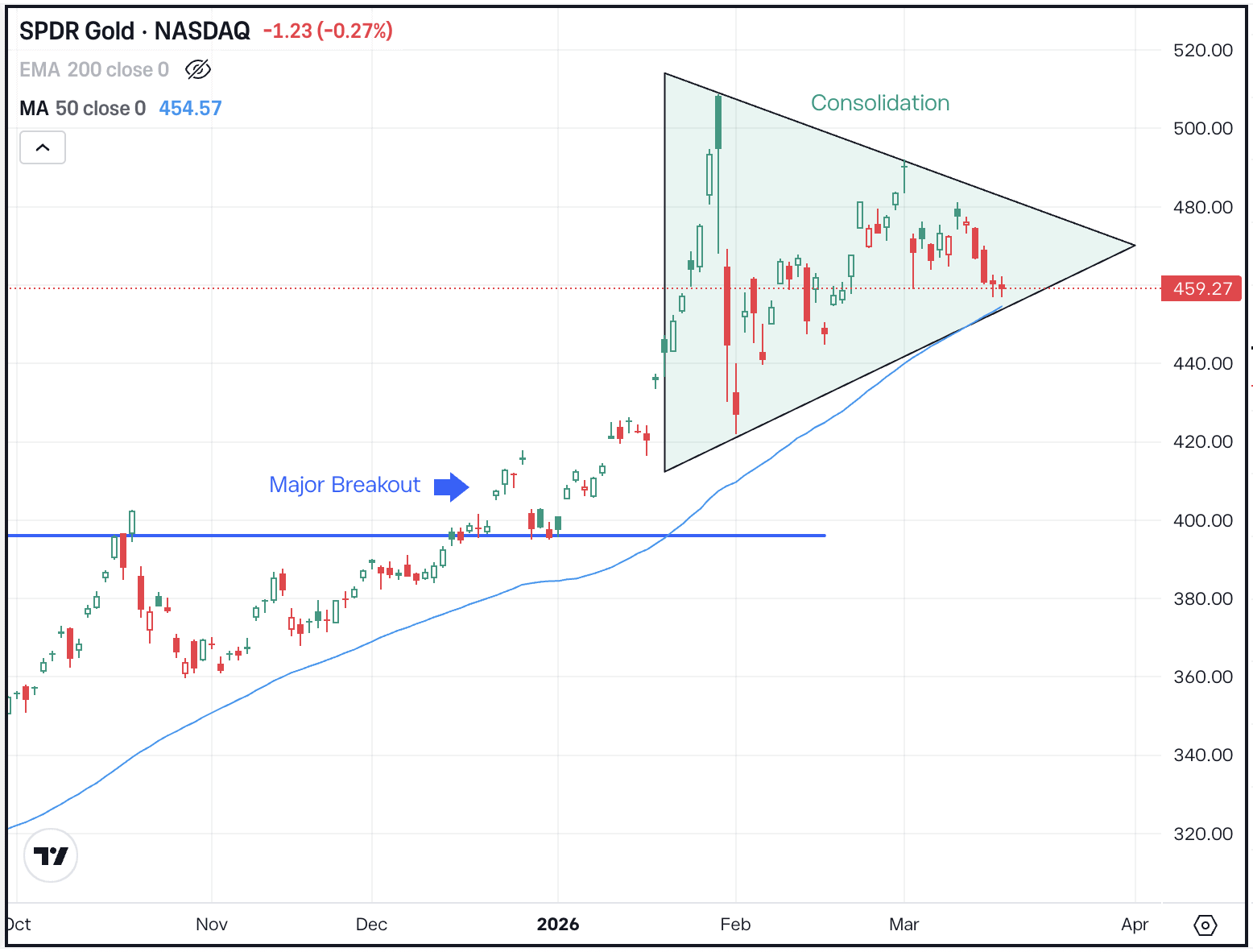
Gold offers a clearer signal. Central-bank gold demand remained at record highs in 2024, accounting for more than one-fifth of global gold demand, according to the ECB’s 2025 analysis, driven by diversification and hedging geopolitical risk.
The World Gold Council’s 2025 survey found that many reserve managers expect lower dollar holdings over the next five years and higher shares for gold and nontraditional currencies.
Gold’s appeal as a zero-counterparty reserve asset makes it a natural first stop for official diversification.
Bitcoin’s case rests on whether the same macro anxieties, such as fiscal trajectory, geopolitical risk, and a softer dollar, also feed private-market appetite for a harder, non-sovereign asset, even if the empirical link between Treasury selling and BTC flows remains unstable.
Real yields and the hedge logic
Higher real yields typically tighten financial conditions and pressure long-duration and speculative assets, while easing real yields can be supportive. The 10-year TIPS real yield serves as a barometer for macro desks assessing BTC risk appetite and hedge narratives by indicating whether it is more attractive to hold non-yielding assets like Bitcoin versus yield-bearing alternatives.
When real yields compress, holding zero-yield assets like Bitcoin becomes relatively less costly, which can reinforce its appeal as a hedge against currency debasement. Conversely, when real yields rise, that hedge logic weakens because yield-bearing assets become more attractive.
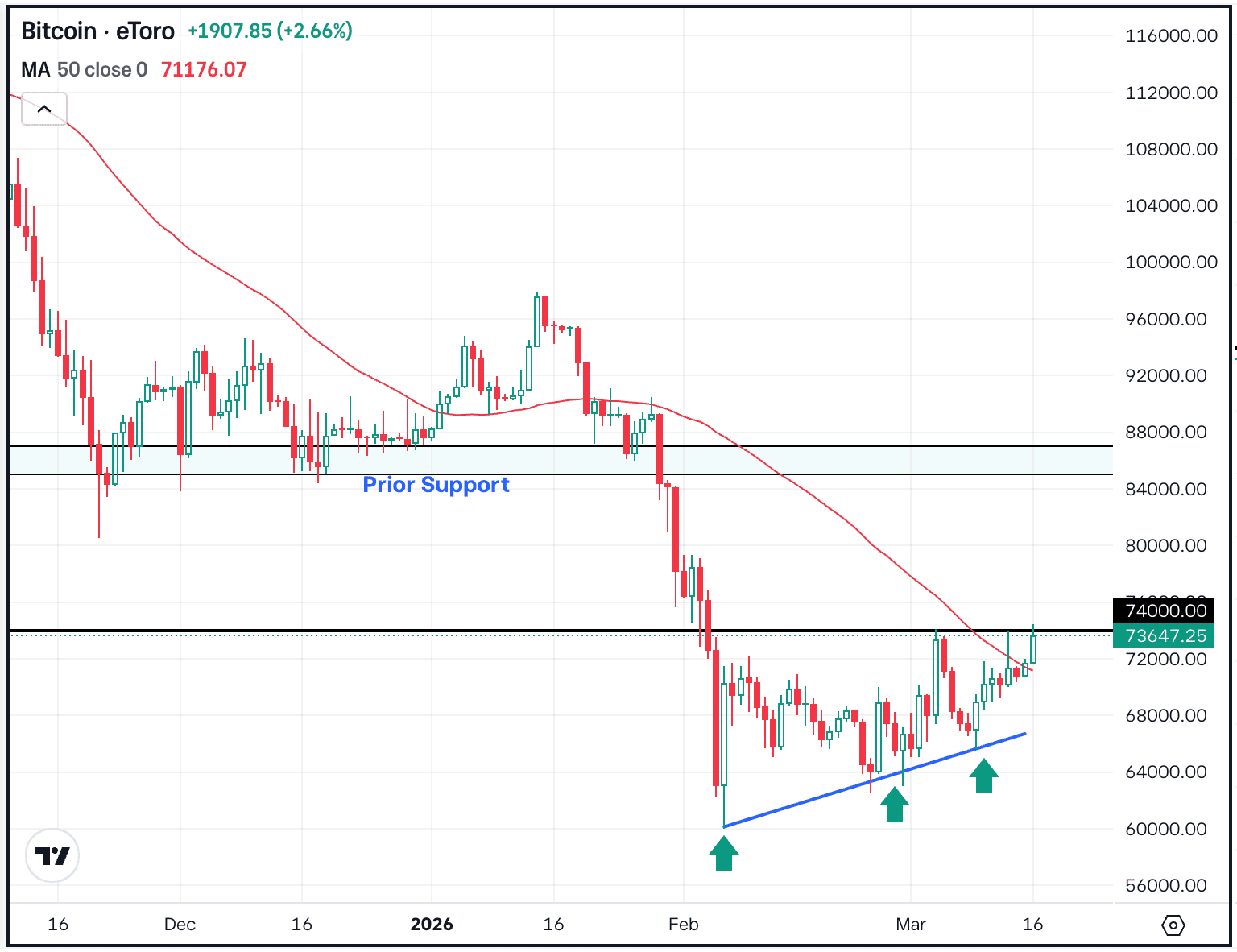
The recent period of elevated real yields has coincided with volatility in crypto risk assets, but the relationship is not mechanical.
The hedge story for Bitcoin depends on whether market participants interpret rising yields as a sign of inflation-driven stress, which is often BTC-positive, or as tightening liquidity, which is typically BTC-negative. Thus, the impact of Bitcoin as a hedge against macro risks is shaped by prevailing market perceptions.
The same dynamic applies to BRICS Treasury sales.
If those sales reflect concerns about US fiscal sustainability or currency debasement, they feed the narrative that Bitcoin offers protection from fiat instability. If they reflect routine portfolio rebalancing or a hunt for higher yields elsewhere, the implications for BTC are weaker.
The Treasury flow data alone cannot distinguish between these motives. But the broader context of record central-bank gold demand, persistent fiscal deficits, and a gradual decline in the dollar’s share of reserves suggests that some of the official-sector diversification is driven by long-term hedging considerations rather than just tactical asset allocation.
State adoption remains a high bar
Private and corporate Bitcoin narratives have evolved faster than state-level adoption. The Swiss National Bank chair rejected Bitcoin as a reserve asset in April 2025, citing volatility and liquidity criteria.
Central banks prioritize stability, deep markets, and the ability to deploy reserves in crisis without moving prices.
Bitcoin does not yet meet those standards for most official-sector managers, even as individual firms and allocators treat it as a macro hedge. The disconnect between private enthusiasm and official caution defines the current phase of the BTC reserve debate.
Bringing the discussion full circle, while BRICS Treasury trimming is real, it is incremental and coexists with rising total foreign holdings.
The de-dollar drift is measurable but slow, driven more by exchange-rate effects and gold demand than by a coordinated exit from US debt. Bitcoin’s role in this rebalancing is speculative rather than structural.
Macro forces like reserve diversification, fiscal risk, geopolitics, and currency uncertainty also fuel the BTC-hedge narrative. Still, the connection remains one of narrative resonance rather than direct capital flows.
Whether that narrative hardens into a durable bid depends on how much weight private markets assign to the idea that a non-sovereign, hard-cap asset belongs in a diversified portfolio when fiat alternatives feel less stable.
The data show the drift, and the market will decide whether Bitcoin captures it.