Key Takeaways:
- When global markets close in the time of attacks on Iran, traders have moved to onchain platforms
- Bloomberd cited crude oil contracts of Hyperliquid to get price signals according to real time basis
- Stablecoin, tokenized gold and prediction markets saw record activities in the weekend
When geopolitical tension hit at 2:30 a.m. ET on Sunday, traditional finance was offline. Crypto was not. As news broke of U.S. strikes in Iran, global stock exchanges, futures markets, and FX venues were closed. For several hours, blockchain-based markets became the only real-time trading arena.
Read More: Iran Offers Missile and Drone Sales for Crypto, Using Digital Assets to Bypass Global Sanctions

Hyperliquid Becomes Oil Price Barometer
Bloomberg referenced the crude oil perpetual contract on Hyperliquid to gauge investor reaction. That marked a rare moment when a decentralized exchange provided the most immediate pricing signal for a major global commodity.
Hyperliquid offers perpetual futures on crypto and select real-world assets, including oil. As volume surged, its native token HYPE climbed roughly 30% over the weekend, reflecting trader interest.
For years, crypto markets were viewed as side arenas. This time, they were the main stage.
Read More: BitMEX Unveils Hyperliquid Copy Trading, $100K USDT Rewards and $5,050 Credits for Users

Stablecoins and Tokenized Assets Surge
Activity extended beyond oil contracts.
Tether issued a gold token called XAUT that was trading over $300 million in 24 hours of turmoil. The regular gold markets were shut as the investors sought to invest in safe assets.
Prediction markets too sprang. Such platforms as Polymarket and Kalshi experienced the highest level of trade as traders priced the geopolitical events as they happened.
Meanwhile, primary cryptocurrencies like Bitcoin and Ethereum remained open throughout the weekend, allowing individuals to conduct trade as they please without having to wait until Monday when the stock market opens.
24/7 Markets Take the Lead
Blockchains operate continuously. There are no opening bells or settlement delays. That structural difference mattered when every major Western exchange was offline.
In past crises, investors had to wait for U.S. futures to reopen Sunday evening. This weekend, they had an alternative: stablecoins, decentralized exchanges, and tokenized commodities.

Institutions Forced to Pay Attention
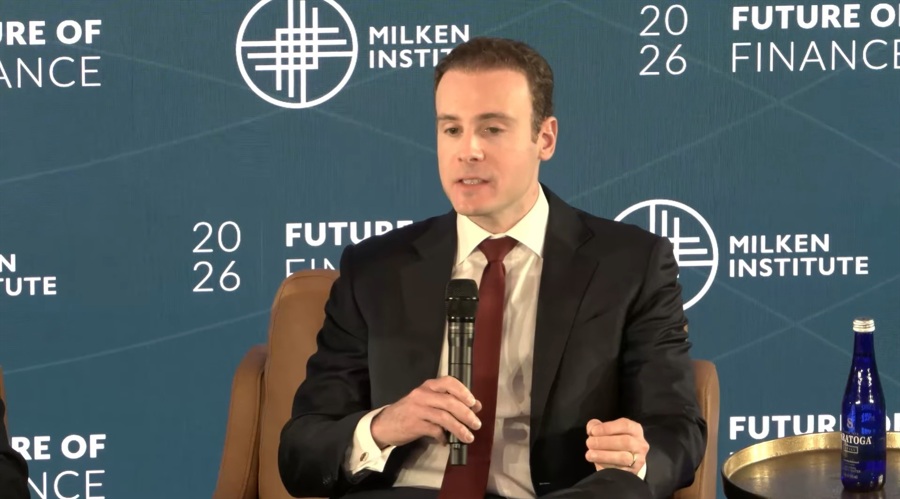
Matt Hougan, Chief of investment at Bitwise describes this moment as a remarkable step. He indicated that hedge funds and banks can no longer ignore onchain infrastructure if they want to maintain competitive advantage in accessing global markets.
During Sunday’s attacks in Iran, when all traditional markets were closed, Bloomberg turned to Hyperliquid’s crude oil contract to gauge the impact for investors.
If hedge funds and banks weren’t looking at stablecoins or tokenized assets before this weekend, they’re paying… pic.twitter.com/xSeSgHIuXz
— Bitwise (@Bitwise) March 3, 2026
The participation in crypto until now always have huge barriers. Institutions need to establish wallets, manage stablecoin and adapt with new platforms but when finishing these processes, all DeFi ecosystems will be on hand.
Traditional exchanges have extended trading hours in recent years. Still, 23/5 access does not match 24/7/365 settlement and execution. This weekend showed that onchain finance is no longer experimental. When legacy systems paused, crypto kept running and the market followed.