

Pay attention. Governments aren’t just “modernizing” money; they’re trying to get rid of cash as quickly as possible and replace it with digital currencies that they can track, limit, and turn off whenever they want. This isn’t a conspiracy theory. It’s happening right now, and you can see it. Central Bank Digital Currencies (CBDCs) are more than just cool apps for your phone.
They are the best way to control your money because you can see every transaction, there are spending limits you can’t get around, money that goes away if you don’t spend it “correctly,” and the ability to freeze your life if you break the rules. The last bit of real freedom we have is money. And they are coming for it.
As of April 2026, this is the exact timeline based on what governments and central banks are actually saying and doing.
The CBDC Rollout Calendar
- Right now (2024–2026): Four countries have already fully launched retail CBDCs for everyday use: the Bahamas (Sand Dollar), Jamaica (JAM-DEX), Nigeria (e-Naira), and Zimbabwe (ZiG). These aren’t experiments — they’re live. Meanwhile, 49 countries are running active pilots. China’s digital yuan is massive and expanding fast. India’s e-rupee has exploded in size. Emerging markets are using them to reduce cash and increase surveillance.
- 2026: The tipping-point year. Brazil is gearing up for full launch. Russia is scaling its digital ruble. BRICS nations (Brazil, Russia, India, China, South Africa and others) are pushing to link their CBDCs into a new cross-border payment system — BRICS Pay — explicitly designed to bypass the dollar and traditional banks. In Europe, lawmakers have a hard deadline to pass digital euro legislation this year. If it passes (and it’s on track), the stage is set for a pilot in 2027.
- 2027: Cash gets strangled. The EU is set to enforce new anti-money-laundering rules capping cash payments at €10,000 across the bloc (with many countries already dropping limits to €3,000 or even €1,000). France, the Netherlands, and others are already tightening the noose. Digital euro pilots go live. Offline functionality is being tested — meaning even “cash-like” digital money will still be traceable and programmable.
- 2028–2029: Major economies flip the switch. The European Central Bank has signaled a full digital euro rollout could happen as early as 2029. China, India, and others will have scaled their systems nationwide. Cash becomes a relic — expensive to use, limited in transactions, and socially discouraged.
- 2030 and beyond: The “cashless society” becomes the new normal in most developed and many emerging nations. Physical cash still exists in tiny pockets, but it’s like using carrier pigeons in the smartphone era — impractical, heavily reported, and easy to phase out entirely.
This isn’t happening in a bubble. Governments say they need to see into your wallet for “crime” and “inclusion,” but cash use is already going down. The story about freedom vs. control that is going around X right now? There is no hype. It’s true. They want you in their system so they can freeze your account right away, charge you negative interest rates, and make you follow social credit-style spending rules. Your money is their way of getting permission.
Underground Economy 2026: How to Trade When Banks Freeze and Cash Is Illegal
Imagine this: In 2026, your bank account is frozen because your last purchase was flagged as “non-compliant” under the new CBDC rules, and giving someone a dollar bill is now against the law. Does that sound crazy? It’s just like what millions of people in Venezuela and Argentina went through during their recent economic collapses, and those who lived through it didn’t die of starvation.
They built underground economies overnight by trading goods, swapping black-market money, and using their street smarts. When Venezuela’s hyperinflation made banknotes worthless, people in Caracas started trading yucca wafers for food or giving haircuts for a few bolívars that were still worth something on the black market. Dollars became the most important currency, and even when they were “illegal,” they were accepted in corner stores. Barter signs appeared everywhere. In Argentina, the infamous “Dólar Blue” thrived because of whispered deals with arbolitos, street money changers who would give you pesos at twice the official rate, getting around capital controls that made it hard for regular banks to work. These weren’t just ideas; they were plans for how to stay alive when the system said “no more cash.”
That same playbook is about to go mainstream in the CBDC era. When every transaction is programmable, traceable, and shut-off-able, the underground economy won’t wait for permission — it will explode in plain sight. Think neighborhood meetups in parking lots, encrypted group chats, and pop-up markets where no one asks for ID. History shows the shift happens fast: Venezuela saw bartering surge as soon as banknotes ran short, while Argentina’s black-market dollar trade became so normal that even taxi drivers quoted fares in “blue rate” equivalents. In 2026, the twist is modern tech layered on top of old-school grit.
Decentralized peer-to-peer platforms (think apps like Bunz, OfferUp, or Barterchain for goods swaps, or privacy-first crypto exchanges like LocalCoinSwap) let you trade without touching the official rails. If the grid gets spotty, mesh networks and offline wallets keep deals alive. It’s not rebellion — it’s just in case. Preppers and freedom-focused communities on X are already amplifying these tactics because they know: when banks freeze and cash is illegal, your network is your new bank.
So what actually moves in this underground 2026 economy? The goods lists from Venezuela and Argentina read like a prepper’s shopping list on steroids. Start with everyday essentials that people will always need and governments can’t print: non-perishable food (rice, sugar, cooking oil, flour, baby formula), medicines (antibiotics, painkillers, anti-acids), and hygiene must-haves (soap, toothpaste, toilet paper, feminine products). Coffee, alcohol, and tobacco became de facto currencies in those crises — small, portable, and universally desired for trade or stress relief.
Add in practical items like batteries, flashlights, voltage protectors, laundry soap, and even car oil or cooking gas — stuff that kept households running when shelves emptied. Your physical metals stack fits perfectly here: a 1-oz silver coin or copper bar can buy a week’s groceries or a repair job when digital wallets are locked. Services are pure gold too — plumbing fixes, haircuts, tutoring, or mechanical work get traded hour-for-hour, no app required.
The beauty of this underground system is its resilience and its “just in case” vibe. You don’t need to be a conspiracy theorist to start building it now — you just need to be the person who isn’t caught flat-footed when the official economy glitches. Join or quietly map local barter groups today. Stock a few extra cases of shelf-stable goods and a handful of Monero for untraceable digital swaps or Bitcoin for bigger-ticket digital gold trades.
Test small deals with trusted neighbors: trade a bag of rice for a tank of gas or some silver rounds for home repairs. The conspiracy communities amplifying this aren’t fear-mongering; they’re sharing what worked when governments in Venezuela and Argentina tried (and failed) to control every peso and bolívar. In a world of total digital oversight, the underground economy isn’t hidden in caves — it’s your backyard, your encrypted chat, and your stack of real-value goods.
The beauty of this underground system is its resilience and its “just in case” vibe. You don’t need to be a conspiracy theorist to start building it now — you just need to be the person who isn’t caught flat-footed when the official economy glitches. Join or quietly map local barter groups today. Stock a few extra cases of shelf-stable goods and a handful of Monero for untraceable digital swaps or Bitcoin for bigger-ticket digital gold trades. Test small deals with trusted neighbors: trade a bag of rice for a tank of gas or some silver rounds for home repairs. The conspiracy communities amplifying this aren’t fear-mongering; they’re sharing what worked when governments in Venezuela and Argentina tried (and failed) to control every peso and bolívar.
In a world of total digital oversight, the underground economy isn’t hidden in caves — it’s your backyard, your encrypted chat, and your stack of real-value goods.
When banks freeze and cash is illegal, trade becomes human again — face-to-face, trust-based, and impossible to fully police. Venezuela and Argentina proved it works. Stack the right goods, learn the apps, build the network, and sleep easy knowing that no CBDC can shut down what people create when they’re forced to get creative. Your freedom to trade isn’t a luxury. In 2026, it might be your lifeline.
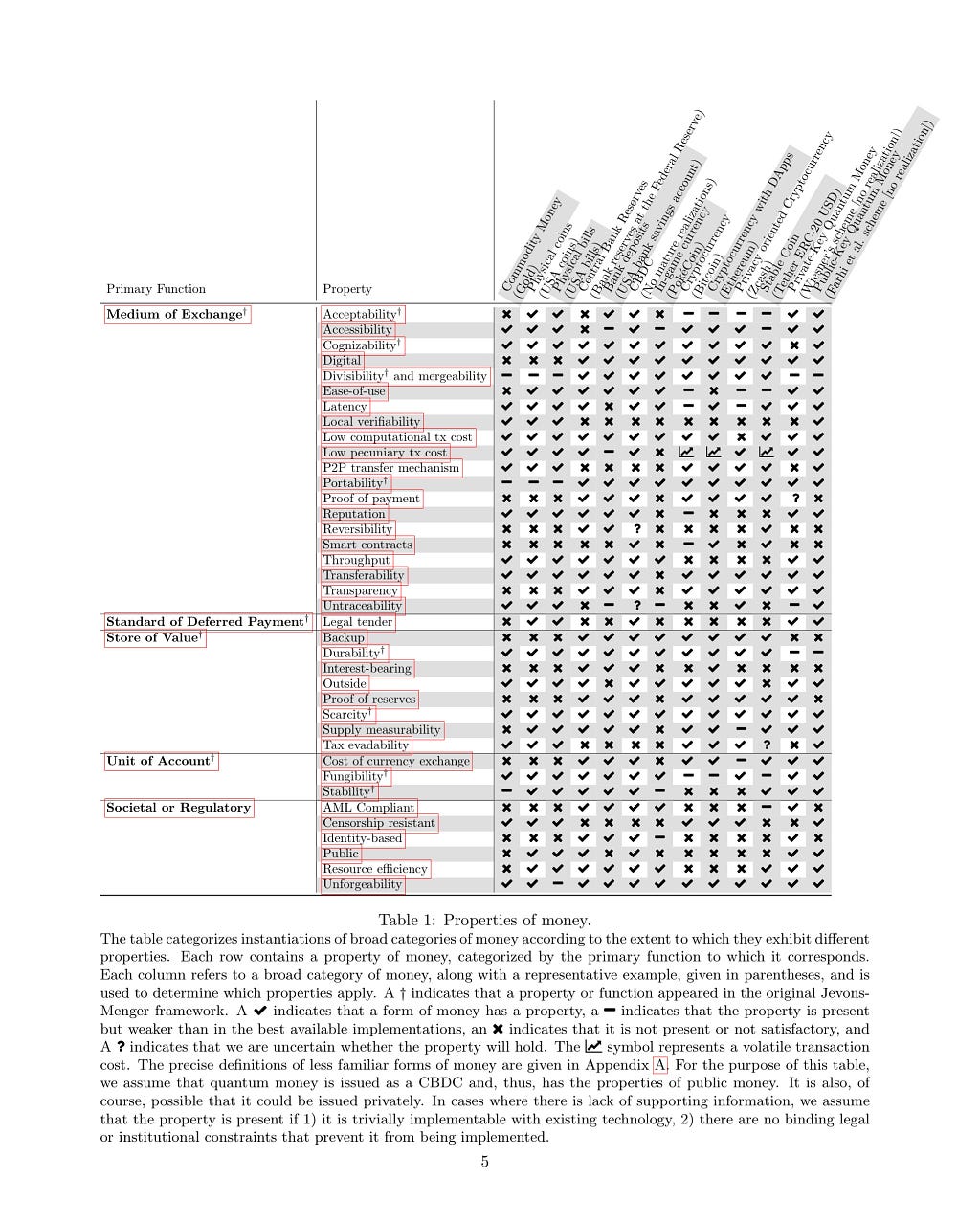
What You Must Own Before Cash Disappears
You can’t fight programmable surveillance money with more digital stuff they control. You need assets that exist outside their databases — things you can hold in your hand or secure in a way no government can remotely seize or devalue. Here’s exactly what smart people are stacking right now.
Physical Gold and Silver Coins & Bars — The Timeless Kings
Gold and silver have been money for 5,000 years for a reason: they can’t be printed, hacked, or turned off. Buy coins and small bars (1 oz, ½ oz, ¼ oz, even fractional for silver) because they’re divisible, recognizable, and easy to trade in a crisis.
- Gold: The ultimate store of value. Portable wealth that survives inflation, bank runs, and digital blackouts.
- Silver: The “people’s money” — more affordable, higher industrial demand, and historically used for everyday transactions. Get them from reputable mints or dealers. Store some at home (in a good safe) and the rest in a private vault or overseas if you’re serious. No bank, no counterparty risk.
Other Precious Metals: Platinum, Palladium, and Copper
Diversification matters when the system resets.
- Platinum and palladium coins/bars: Rarer than gold, heavy industrial demand (catalytic converters, electronics, hydrogen tech). They’re compact, high-value, and less talked about — so less manipulated. Great hedge if you want something beyond the gold/silver crowd.
- Copper coins, rounds, and bars: The working man’s metal. Cheaper per ounce, huge demand from EVs, renewables, and construction. Not as “prestige” as gold, but you can stack way more weight for barter or industrial plays. Think of it as the affordable, tangible backup when everything else is digital.
Physical metals survive total digital control because you can hand them over face-to-face. No app required. No KYC. No expiration date.
Bitcoin (BTC) — Digital Gold That Can’t Be Confiscated
Bitcoin is the hardest money ever created — fixed supply of 21 million, decentralized, borderless. While CBDCs let governments track and program your spending, Bitcoin lets you be your own bank. It’s the perfect digital counterpart to physical gold: censorship-resistant, verifiable, and globally portable.
Self-custody it in a hardware wallet. Own the keys, own the coins. In a world of programmable money, Bitcoin is the ultimate “no” to central control.
Monero (XMR) — The Privacy King They Can’t Track
If Bitcoin is digital gold, Monero is digital cash on steroids. Every transaction is private by default — sender, receiver, and amount are completely hidden using ring signatures, stealth addresses, and confidential transactions. Governments and banks can’t trace it. CBDCs are built for surveillance; Monero is built to defeat it.
It’s the one crypto that actually preserves the anonymity cash gives you today. Stack some for private transactions when the digital net closes in. Self-custody is non-negotiable.
The Bottom Line: Own What They Can’t Control
They’re not banning cash tomorrow. But the timeline is crystal clear: 2026–2029 is when the trap snaps shut in most of the world. The freedom vs. control battle is here. Cash gave you privacy and independence. CBDCs take it away.
Stack physical gold, silver, platinum, palladium, and copper coins and bars. Hold Bitcoin for uncensorable digital wealth. Hold Monero for untraceable transactions. Do it before the limits tighten, the taxes on cash get ridiculous, and your bank starts asking why you want “so much” physical money out.
This isn’t panic. It’s preparation. The people who saw this coming early are the ones who will sleep easy when the rest of the world wakes up to programmable money and realizes their freedom is gone.
Get positioned now. Your future self will thank you.
They’re About to Ban Cash Worldwide — The Exact Timeline and What You Must Own Before It Happens was originally published in The Capital on Medium, where people are continuing the conversation by highlighting and responding to this story.