Wednesday, April 15, 2026
  • Login
SB Crypto Guru News- latest crypto news, NFTs, DEFI, Web3, Metaverse
No Result
View All Result
  • HOME
  • BITCOIN
  • CRYPTO UPDATES
    • GENERAL
    • ALTCOINS
    • ETHEREUM
    • CRYPTO EXCHANGES
    • CRYPTO MINING
  • BLOCKCHAIN
  • NFT
  • DEFI
  • WEB3
  • METAVERSE
  • REGULATIONS
  • SCAM ALERT
  • ANALYSIS
CRYPTO MARKETCAP
  • HOME
  • BITCOIN
  • CRYPTO UPDATES
    • GENERAL
    • ALTCOINS
    • ETHEREUM
    • CRYPTO EXCHANGES
    • CRYPTO MINING
  • BLOCKCHAIN
  • NFT
  • DEFI
  • WEB3
  • METAVERSE
  • REGULATIONS
  • SCAM ALERT
  • ANALYSIS
No Result
View All Result
SB Crypto Guru News- latest crypto news, NFTs, DEFI, Web3, Metaverse
No Result
View All Result

From sfumato to selfies—can art history explain the Instagram phenomenon?

by SB Crypto Guru News
December 24, 2024
in NFT
Reading Time: 4 mins read
0 0
A A
0


When it comes to art and images, Instagram is not new. So says the new book Instagrammable by the art history professor Koenraad Jonckheere. The book weaves together examples of Greek mythology and Classical philosophy with Judeo-Christian theology and Renaissance ideals to argue that the way we create and view images on Instagram today is in fact well established in history.

“Platforms like Instagram and other social media use age-old mechanisms that fuel our appetite for art and imagery,” Jonckheere tells The Art Newspaper. “These techniques have been studied in the West since as early as 500BC, and insights from antiquity, the Middle Ages and the Renaissance offer fascinating perspectives on how visual communication works today. Understanding these historical approaches provides valuable context for interpreting how we engage with visual media on social platforms.”

From sfumato to face tuning

Split into 12 chapters, the richly illustrated book uses art history to help explain the popularity of contemporary visual phenomena like filters, face tuning and hashtags. Jonckheere compares today’s image filters with Leonardo da Vinci’s use of sfumato, a technique of shading in painting and drawing that produces soft transitions between colours and tones. He argues that our use of editing apps that subtly improve our appearance are no different to the wealthy and important individuals who commissioned artists to create favourable portraits. Virtual influencers that promote make-believe lifestyles are the same, Jonckheere says, as the mythological allegories of ideal, moral lives that artists have painted throughout history.

Much of the book is a discussion of semiotics, exploring how we look at and interpret images. “There is more to an image than what you can see. There is always an interaction between observation, registration, and fantasy,” Jonckheere writes, describing this as “an age-old truth that has been forgotten in the rush to technology of the 20th and 21st centuries.” He notes that social media adds a fourth dimension to this trinity in that images online are “utterly devoid of any materiality” and therefore “are in a state of limbo, between counterfeit and imagination, undermining even more the tense relationship that has always existed between the world and its counterimages”.

This book will certainly draw people in through the shock effect of its pairing of ancient thought with something as contemporary as online platforms. (The first line of the blurb reads: “How are the Holy Trinity and social media related?” Wowzer.) While it reads conversationally—you can easily imagine parts being relayed as one of Jonckheere’s lectures to a room full of art history students, which of course they have—there is some presupposed knowledge of Classical mythology and philosophy (and an untranslated French phrase in the second sentence) that might make some want to give up before they’ve got past the first page.

But those who persist will enjoy an impressive meander through 2,500 years of critical thinking around images and art that reminds us that online platforms and digital media are not detached from history and humanity, and that images are not—and never have been—truth. It also lays important groundwork for social media as a subject worthy of art-historical study. “Instagram is a remarkable phenomenon. It differs from traditional visual history only in speed and scale,” Jonckheere says. “[It] serves as a bridge, helping students appreciate how historical visual techniques continue to shape our digital world.”

  • Koenraad Jonckheere, Instagrammable: What Art Tells Us About Social Media, Hannibal, 312pp, 130 colour illustrations, published 22 November
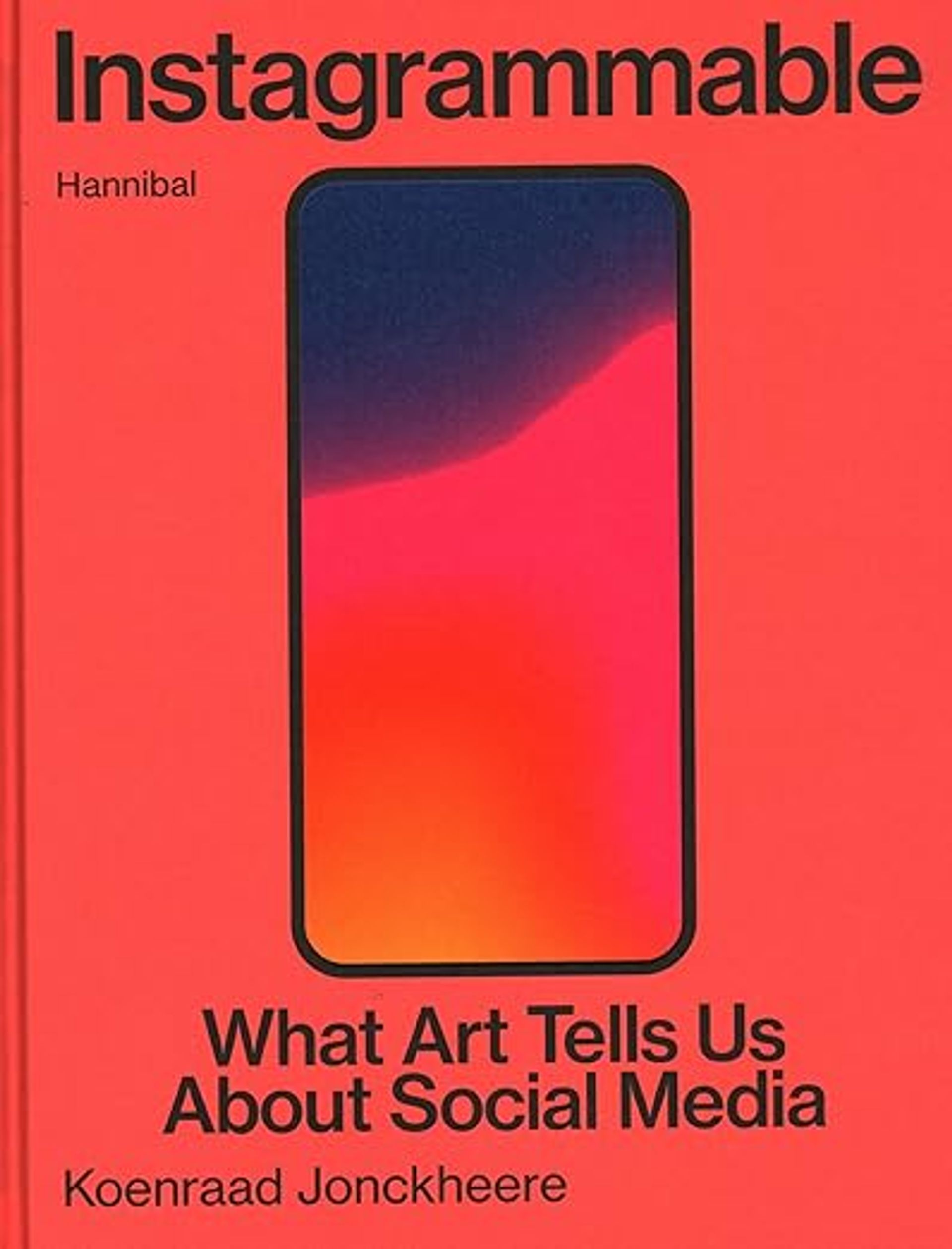
Instagrammable: What art tells us about social media by Koenraad Jonckheere

courtesy Hannibal Books


Source link

Tags: ArtBitcoin NewsCrypto NewsCrypto UpdatesexplainhistoryInstagramLatest News on CryptoPhenomenonSB Crypto Guru Newsselfiescansfumato
Previous Post

global exhibitions highlight Palestinian voices

Next Post

National Bitcoin Reserve – Know Everything

Related Posts

A Brush With… Hurvin Anderson—podcast – The Art Newspaper

A Brush With… Hurvin Anderson—podcast – The Art Newspaper

by SB Crypto Guru News
April 15, 2026
0

Hurvin Anderson talks to Ben Luke about his influences—from writers to musicians, and, of course, other artists—and the cultural experiences...

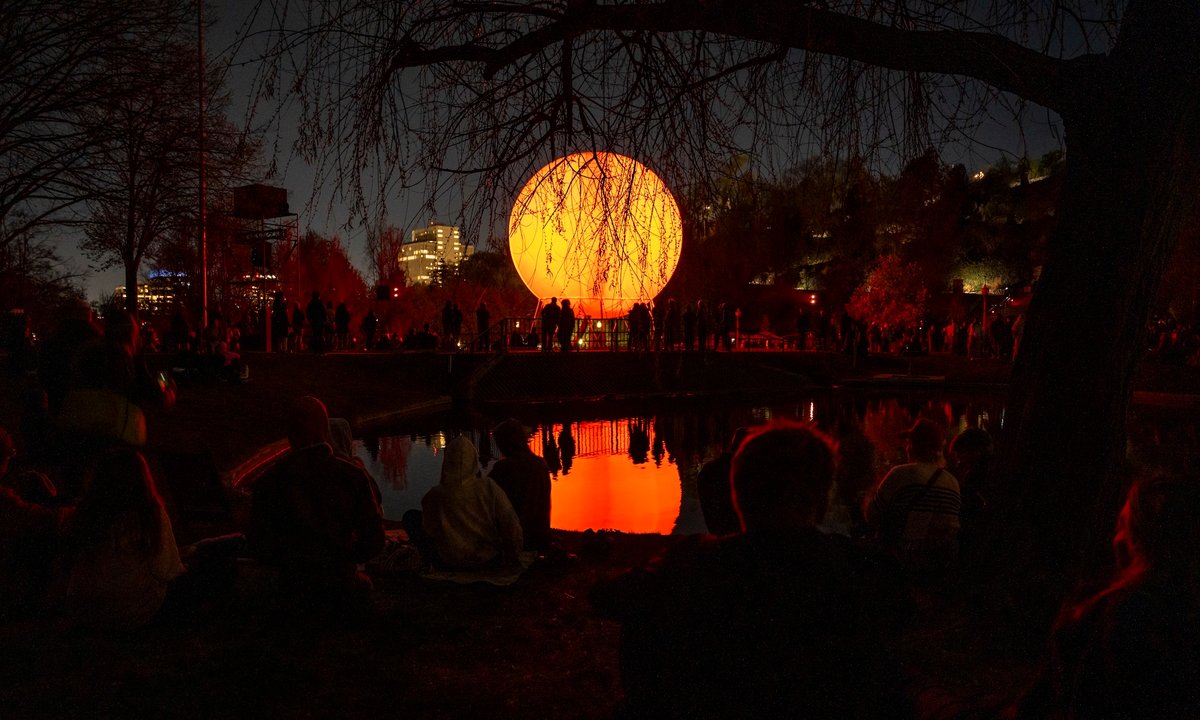
Olafur Eliasson stages public wake for the Great Salt Lake in Utah – The Art Newspaper

Olafur Eliasson stages public wake for the Great Salt Lake in Utah – The Art Newspaper

by SB Crypto Guru News
April 14, 2026
0

For ten days between 26 March and 4 April, Olafur Eliasson presented A symphony of disappearing sounds for the Great...

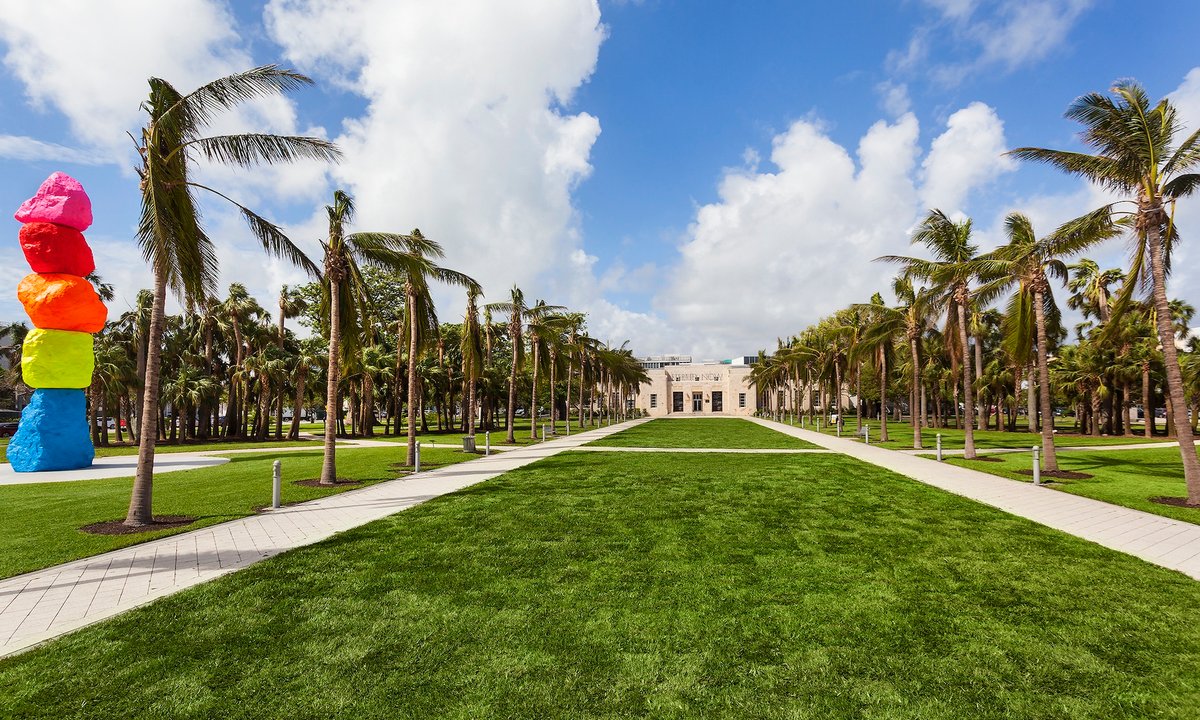
Miami Beach’s Bass Museum picks architect for new pavilion – The Art Newspaper

Miami Beach’s Bass Museum picks architect for new pavilion – The Art Newspaper

by SB Crypto Guru News
April 14, 2026
0

The Bass Museum of Art in Miami Beach has selected the Los Angeles-based architecture firm Johnston Marklee to lead its...

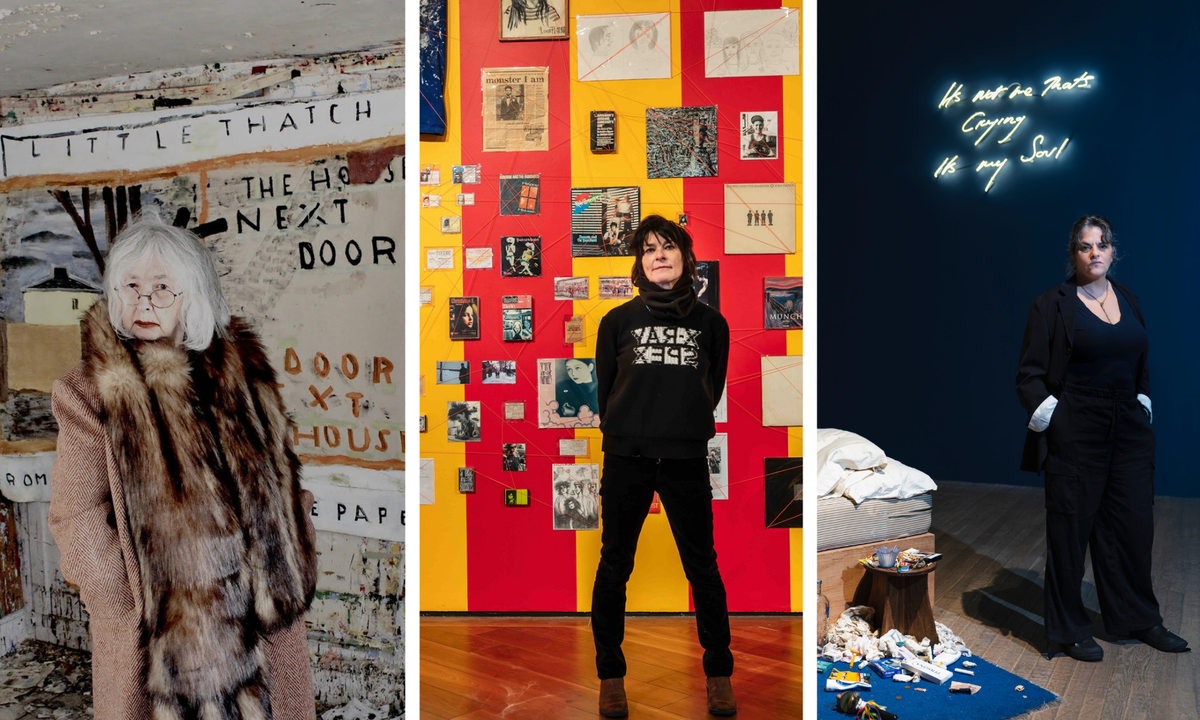
Defiant women and daring paintings: Emin, Webster and Wylie create a buzz in the UK’s exhibition calendar – The Art Newspaper

Defiant women and daring paintings: Emin, Webster and Wylie create a buzz in the UK’s exhibition calendar – The Art Newspaper

by SB Crypto Guru News
April 14, 2026
0

While it has felt like everything else is going to hell in a handcart, the UK’s art world has been...

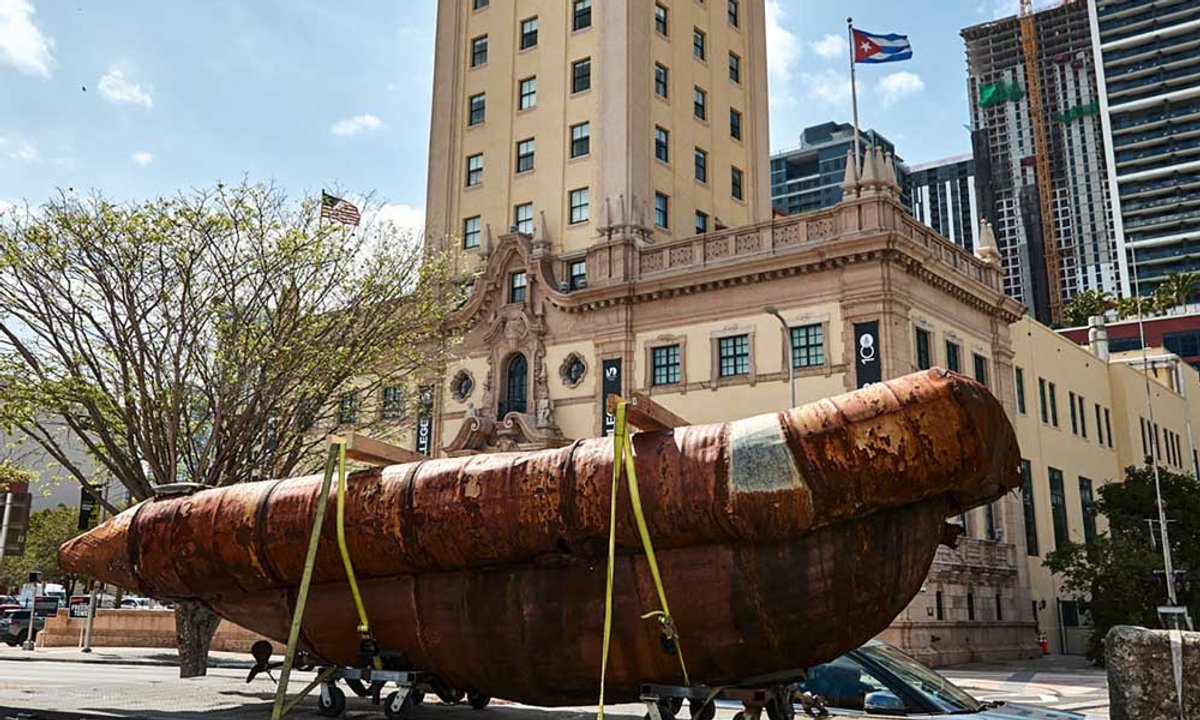
As Cuban crisis deepens, diaspora artists have a message of compassion – The Art Newspaper

As Cuban crisis deepens, diaspora artists have a message of compassion – The Art Newspaper

by SB Crypto Guru News
April 13, 2026
0

Until recently, a large, rusted vessel hung from a steel beam in the Miami studio of artists Antonia Wright and...

Load More
Next Post
National Bitcoin Reserve – Know Everything

National Bitcoin Reserve - Know Everything

Taking the Mick? Rolling Stones singer Jagger is a judge on Caribbean art jury

Taking the Mick? Rolling Stones singer Jagger is a judge on Caribbean art jury

Facebook Twitter LinkedIn Tumblr RSS

CATEGORIES

  • Altcoin
  • Analysis
  • Bitcoin
  • Blockchain
  • Crypto Exchanges
  • Crypto Updates
  • DeFi
  • Ethereum
  • Metaverse
  • Mining
  • NFT
  • Regulations
  • Scam Alert
  • Uncategorized
  • Web3

SITE MAP

  • Disclaimer
  • Privacy Policy
  • DMCA
  • Cookie Privacy Policy
  • Terms and Conditions
  • Contact us

Copyright © 2022 - SB Crypto Guru News.
SB Crypto Guru News is not responsible for the content of external sites.

Welcome Back!

Login to your account below

Forgotten Password?

Retrieve your password

Please enter your username or email address to reset your password.

Log In
No Result
View All Result
  • HOME
  • BITCOIN
  • CRYPTO UPDATES
    • GENERAL
    • ALTCOINS
    • ETHEREUM
    • CRYPTO EXCHANGES
    • CRYPTO MINING
  • BLOCKCHAIN
  • NFT
  • DEFI
  • WEB3
  • METAVERSE
  • REGULATIONS
  • SCAM ALERT
  • ANALYSIS

Copyright © 2022 - SB Crypto Guru News.
SB Crypto Guru News is not responsible for the content of external sites.