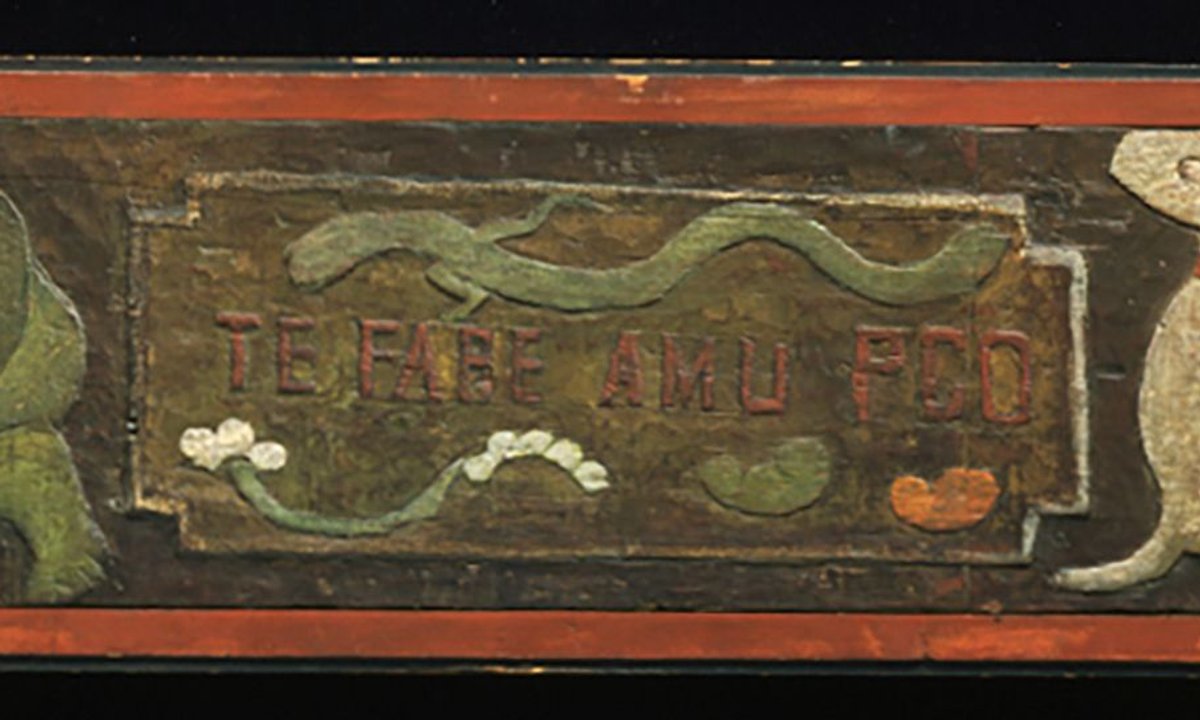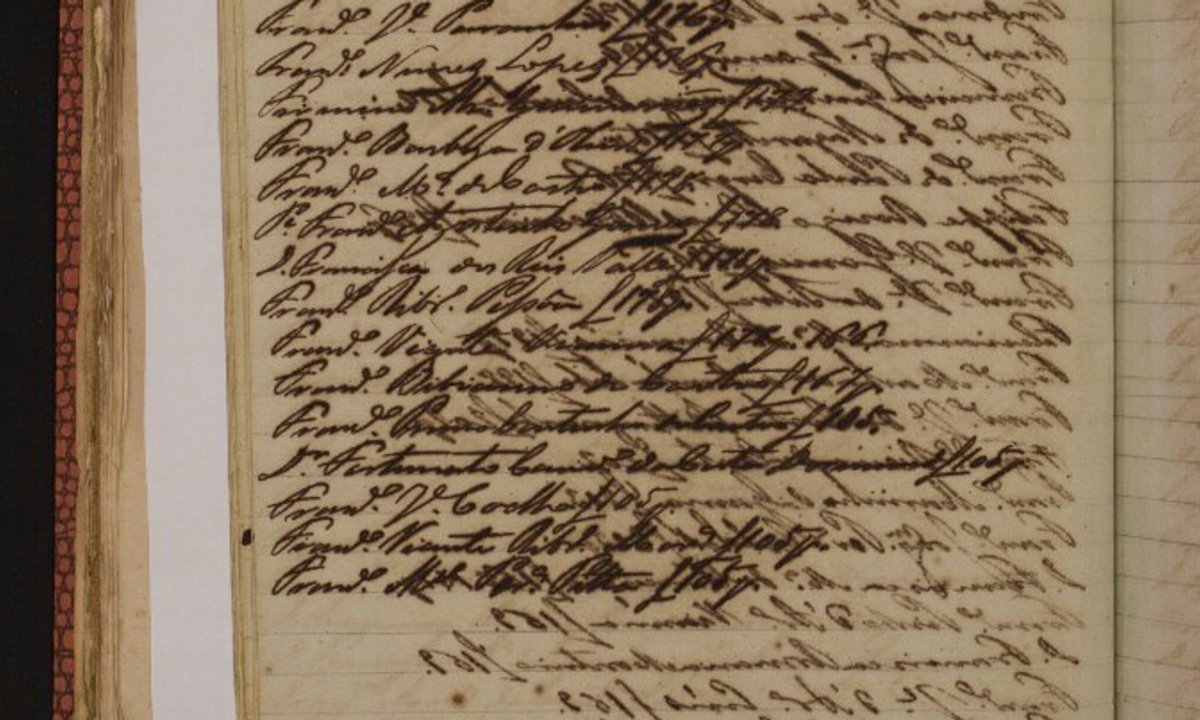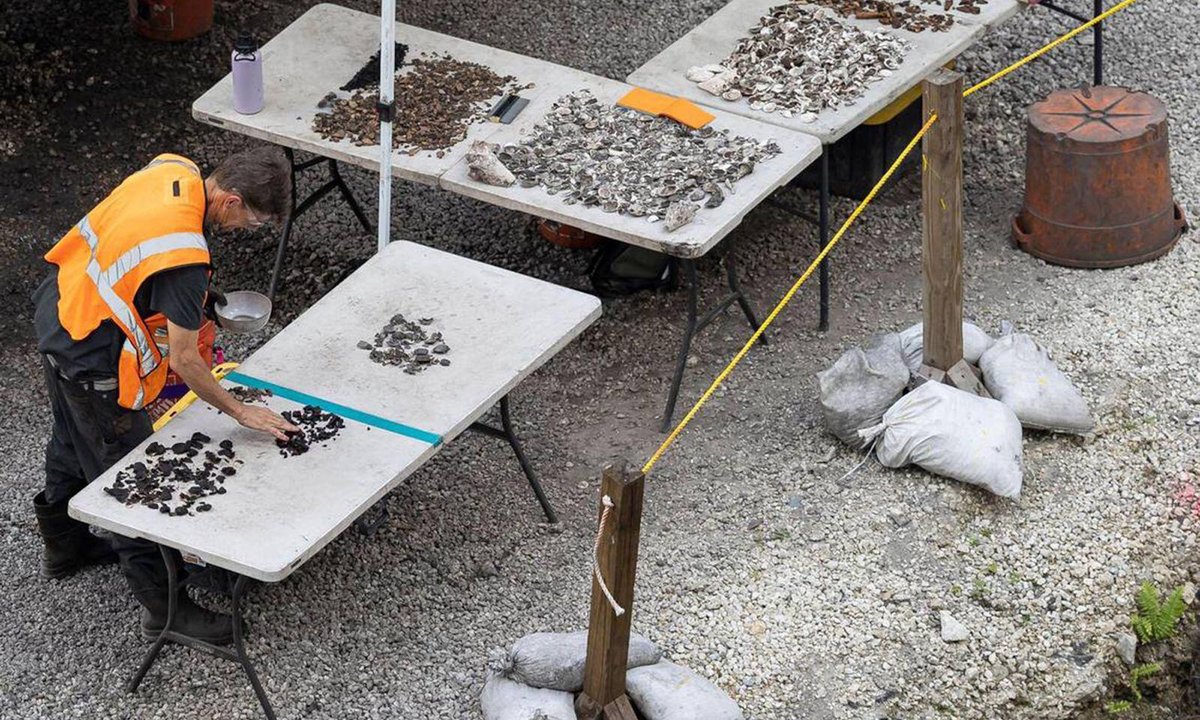
According to contentious myth, the Lenape people sold Manhattan to the Dutch in 1626 for around $24 worth of beads. The transaction allegedly occurred at present-day Collect Pond Park, just two blocks from the Tribeca gallery Sargent’s Daughters, which represents the contemporary Apsáalooke artist Wendy Red Star—whose multidisciplinary work actively retraces history.
In a site-specific solo show named for a historic Apsáalooke warrior, One Blue Bead (6 March-18 April), Red Star summons this myth and explores the surprising history of trade beads, turning the gallery into a simulated trading floor lined with Hudson’s Bay point blankets. It includes monumental trade beads, more than 100 watercolours of beads and an informational newspaper.
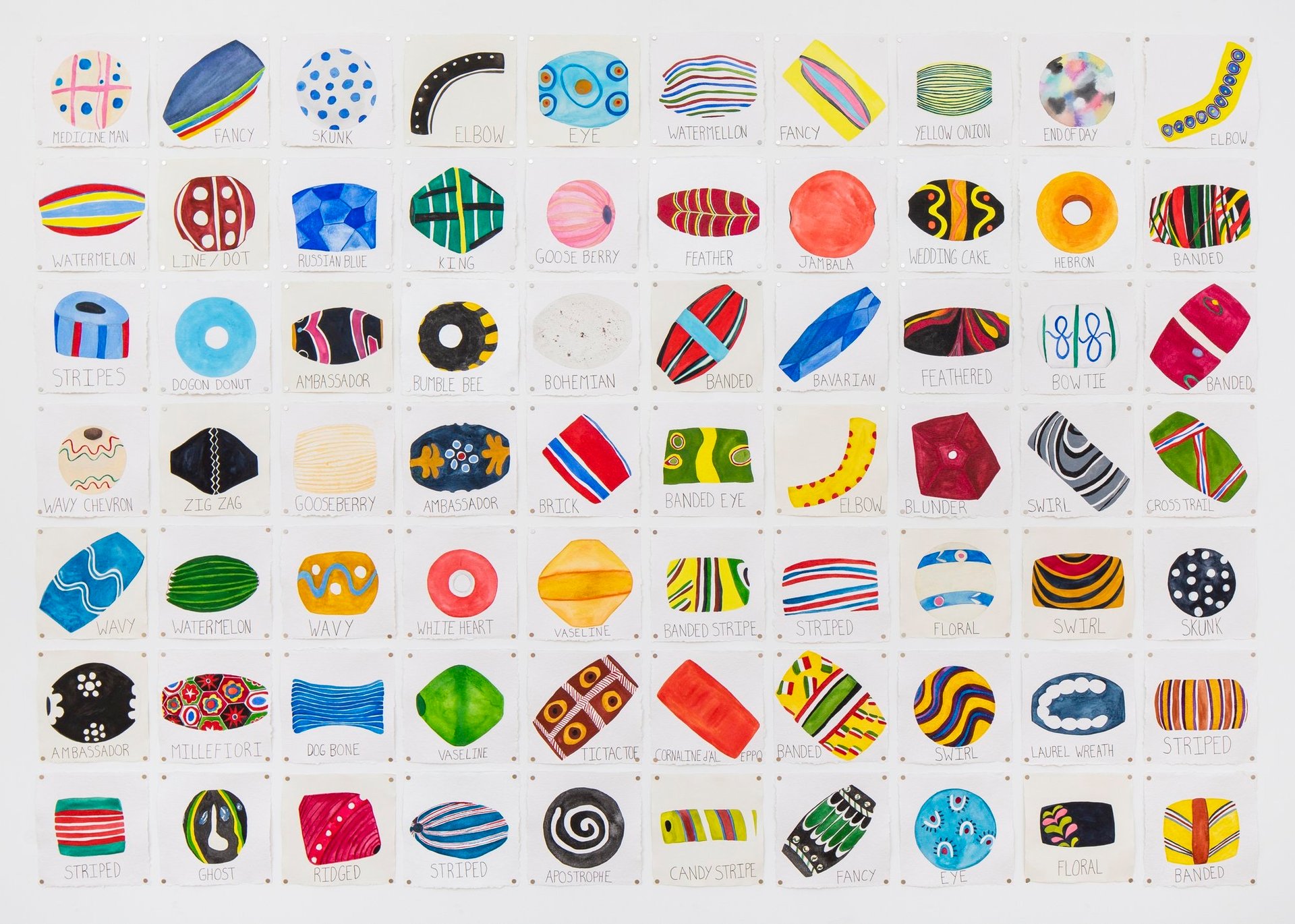
Wendy Red Star, Catalogue 2, 2026 Courtesy of Wendy Red Star and Sargent’s Daughters. Photography by Kevin McConnell.
Shown internationally, with her work held in more than 80 public collections, Red Star is currently in institutional group shows at the Crocker Art Museum, Autry Museum of the American West, Asheville Art Museum and the National Gallery of Canada, and will be featured in an upcoming show at the Museum Rietberg in Zürich. Her work was also recently acquired by the Museum Ludwig in Cologne.
Red Star spoke with The Art Newspaper about the show, and why we should all pay closer attention to ways that beads string us together.
The Art Newspaper: What inspired this project?
Wendy Red Star: I was invited to an artist residency at the Pilchuck School of Glass in Washington last summer, and shortly after that at the Tacoma Museum of Glass. Because of these residencies, I tried to figure out what I would do and just kept coming back to trade beads.
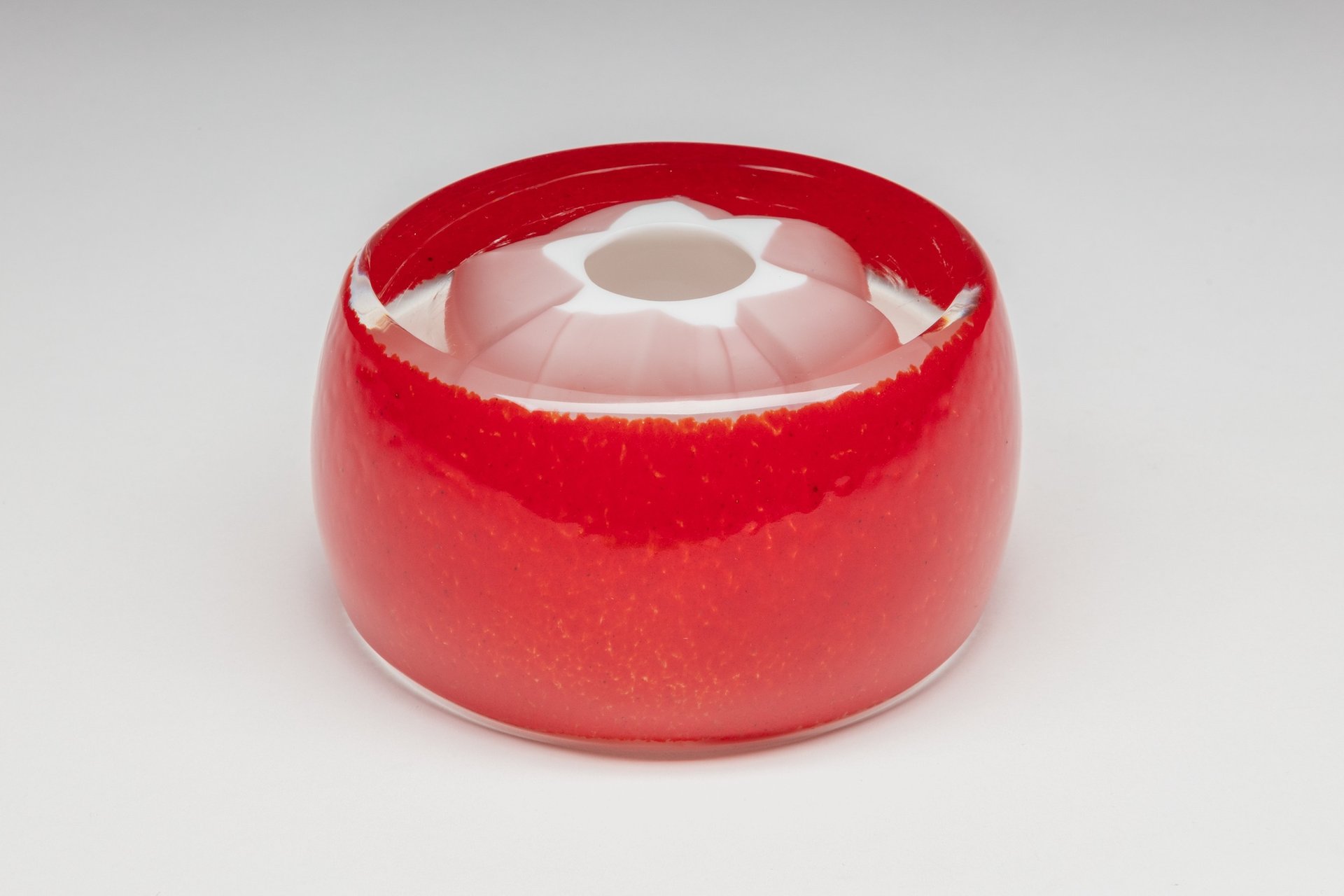
Wendy Red Star, Red White Heart Bead, 2026 Courtesy of Wendy Red Star and Sargent’s Daughters. Photography by Kevin McConnell.
Is there a connection to the upcoming 250th anniversary of US independence?
That wasn’t something I was thinking about, but the beads totally tie into that whole history. It really is about the global trade network and how something from Italy can travel through Europe, to Africa and then come to the United States. It’s this traveling kind of origin story of beads, and then what sort of impact they had in the different places they showed up. The myth of Manhattan being sold for a handful of beads is all tied to that, and that is very much the history of the United States.
Was there an Indigenous American tradition of beadmaking before Europeans arrived?
Adornment was super important and the way that adornment showed up for Native people was in different types of shells, deer hooves, porcupine quills. I think they did fashion some things into beads if they were around clay in their area. It was already a big vocabulary within Native communities, a type of adornment that they were aesthetically interested in. So when beads came around, it was this very natural, intuitive fit.
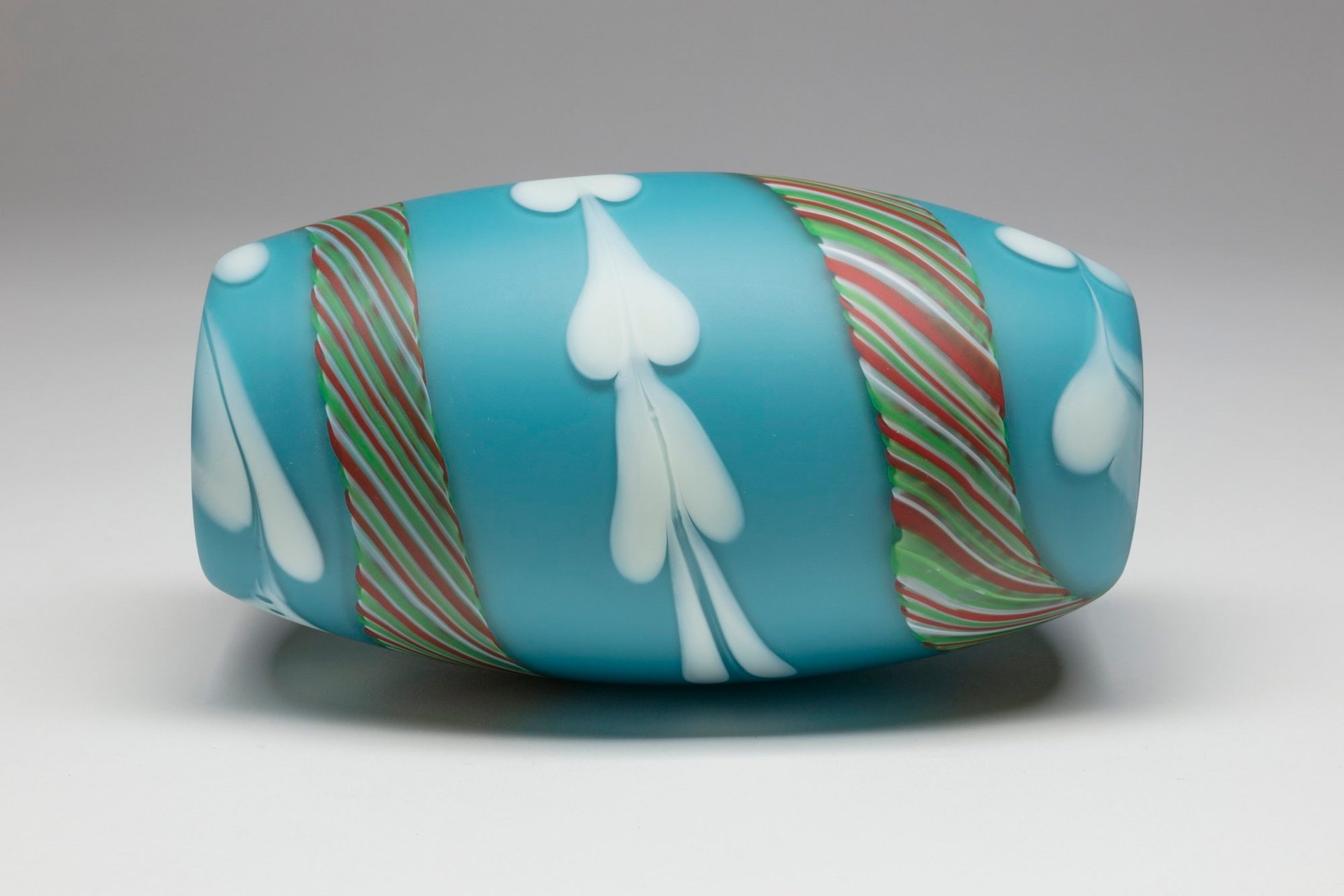
Wendy Red Star, Lewis & Clark Bead, 2025 Courtesy of Wendy Red Star and Sargent’s Daughters. Photography by Kevin McConnell.
How did you conduct your research for this exhibition?
Going to these residencies and learning about glass, the history of glass—it started there. Glass is a phenomenal material that can do and mimic so many things, and is in every aspect of our lives. I actually purchased historic beads, and from those I would ask the gaffers—the glass blowers who help create these large-scale trade beads—to make a particular type. There is a Dutch moon bead that I purchased—that origin story is they were made in Bohemia, and then the Dutch took them to Africa. I went bead by bead, digging into the history of each bead that I was asking the gaffers to recreate at a large scale.
What were some discoveries you made in the process?
It’s just really fascinating to see, for instance, a Chevron bead and how that is actually made. It’s nothing that I would have imagined it to be—just the fact that they’re seven layers of colour, I found that really fascinating. It’s a Venetian bead from the 14th century, and it’s this very iconic bead. When you say trade bead, a lot of people think of this Chevron bead. They have a star shape on the ends of them, and even though there’s seven layers, there’s typically three colours—a lot of times red, white and blue. They’re one of the icons of historic trade beads.
They affected me growing up. I’ve always been around Chevron beads on the Crow reservation [in Montana], so that, to me, is also interesting that something from the 14th century is also something that’s very familiar to me and was around me and incorporated in the culture. People tend to think of beads as these sorts of pretty things, but to actually dig into them and learn the history and learn the impact of how they were traded. Beads are powerful.
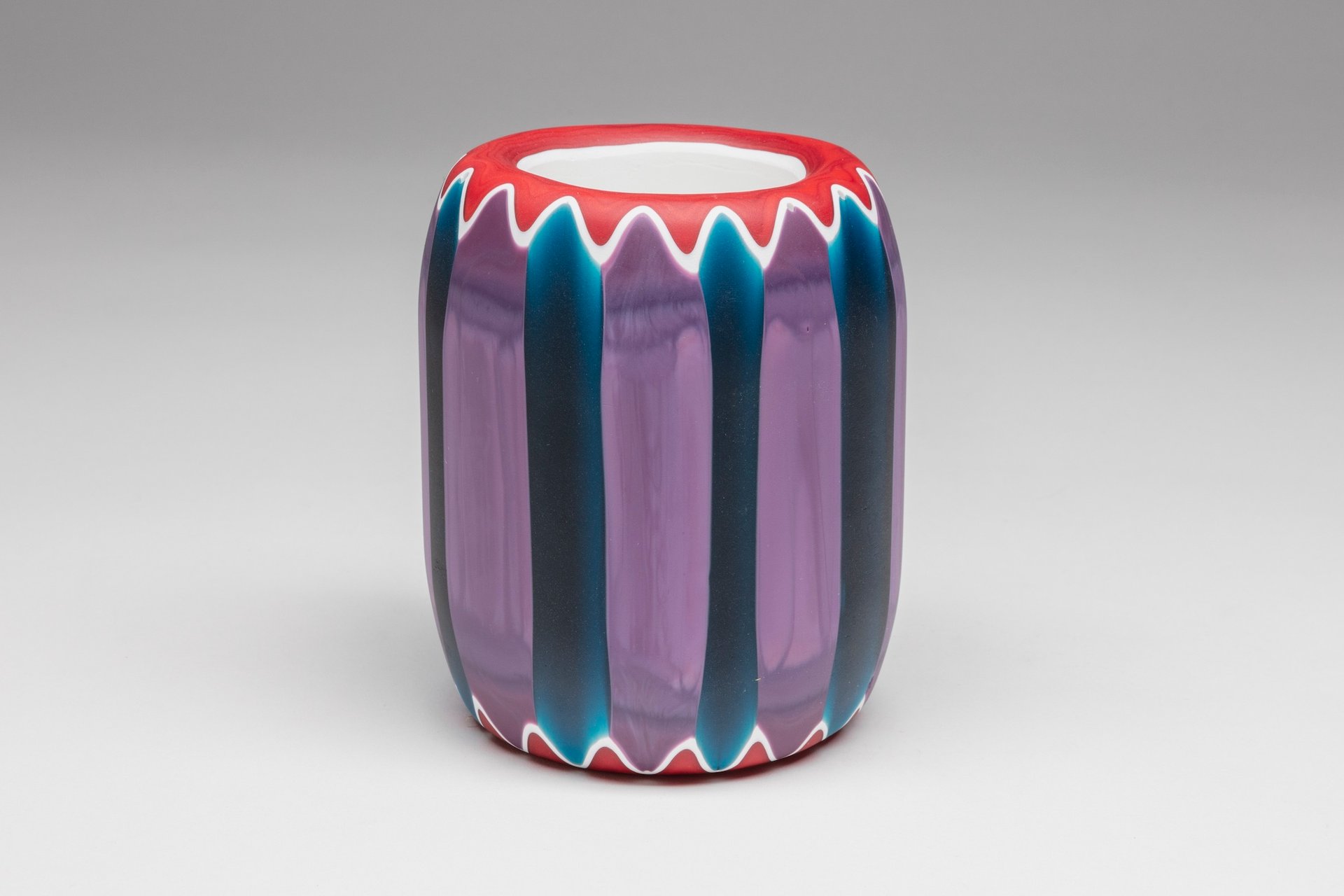
Wendy Red Star, Chevron Bead, 2025 Courtesy of Wendy Red Star and Sargent’s Daughters. Photography by Kevin McConnell.
How were people using them on the Crow reservation?
In necklaces, on horse regalia, if there are fringe aspects then they’re using beads to string on them. So these, just commonly, were around. A lot of times when regalia is made, there’s a level of artistry and a lot of time spent. So some of these cultural objects had been passed down generation after generation.
Is there anything else you’d like to add?
There’s a bead connection to every place. It’s a universal touchstone that I don’t think people necessarily know about. It might sound a little abstract, but if you use the Manhattan bead as an example, or the Dutch moon bead, or even the Chevron bead in regard to how it’s shown up in the Crow reservation. There’s a web in which the beads are connected, and it’s about the incredible network of trade and how something very simple like a glass bead can travel and show up and really rule places, yet connect you to this bigger history.
- Wendy Red Star: One Blue Bead, 6 March-18 April, Sargent’s Daughters, New York