On 30 April, the Metropolitan Museum of Art announced that the Rubio Butterfield Foundation—led by the recently elected museum trustee Jennifer Rubio and her husband, Stewart Butterfield—has pledged more than $23m to endow the museum’s internships in perpetuity. The museum has offered internships for almost 30 years, with 100 undergraduate and graduate students participating annually. They have allowed students to learn about conservation, curation, digital imaging and more. These internships have only been paid since 2021.
Max Hollein, the Met’s director and chief executive, tells The Art Newspaper that “through our conversations with Jen and Stewart, it became clear that investing in people—specifically in access and opportunity—was their highest priority as supporters”.
He adds that “donors come to us with a wide range of interests, perspectives and passions” and part of his job is learning about what those are. “At their core, these discussions centre on two essential questions: What does the institution need most? And what does the donor care most deeply about?”
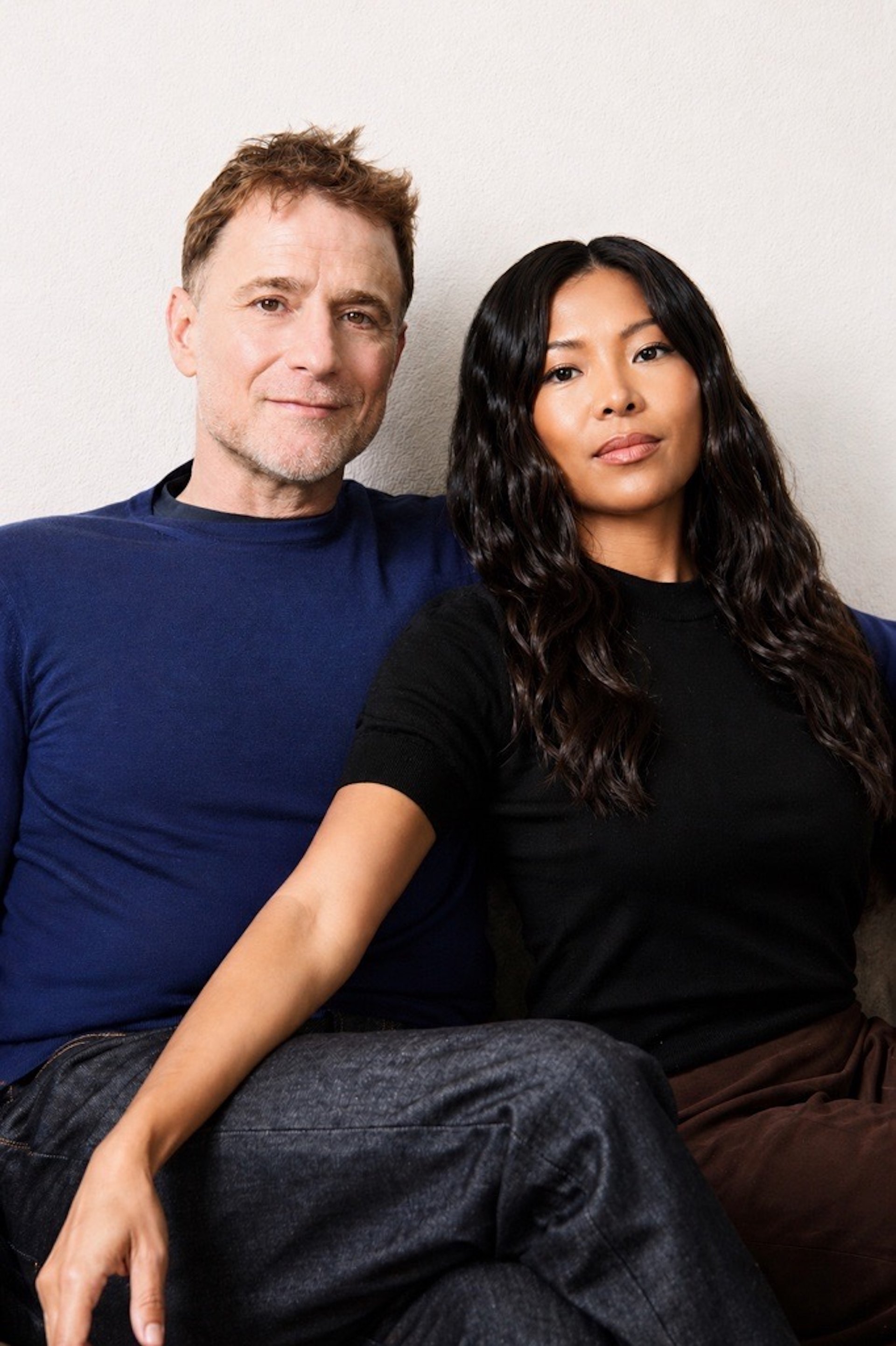
Jennifer Rubio and Stewart Butterfield Photo by Olivier Simille
It is often assumed that most donations to museums are objects to display on the walls or cash to buy more of them. In fact, museum officials have very different ideas when talking with prospective donors. “We have more art than we need,” says Gary Vikan, a former director of the Walters Art Museum in Baltimore. What he often looked for was money to endow curatorial positions, which insured continued scholarship on the art that the museum already has or might gain in the future. “When I came aboard, the museum had three endowed curatorships,” Vikan says. “When I left, we had 18.”
Large museums have numerous funds and endowments, donated or added to by a great many donors. The Museum of Fine Arts, Houston has approximately 140 separate funds and endowments that add up to $1.9bn, according to the museum’s director, Gary Tinterow, who adds that most are purchase funds or operating funds. In 2025, he says: “There was one donor, J. Venn Leeds, who came to us and said that he wanted to give money to the museum, and asked us: ‘What can I support? What do you need?’ We asked him: ‘What aspect of the museum do you most enjoy?’ We talked for a while about this, and he ended up setting up a $2m endowment to support our annual Grand Gala Ball”, the museum’s largest annual fundraising event. “That worked for him, and it certainly worked for us.”
Maxwell Anderson, a former director of both the Indianapolis Museum of Art and the Whitney Museum of American Art, says that “it is routine that museum directors are able to channel donor’s energies in respect to institutional priorities”. He added that “it is more common that directors guide philanthropy in ways commensurate with institutional priorities than that they accede to requests by donors that may not align”. Anderson cites as an example his recommendation to Melva Bucksbaum, a Whitney trustee, to endow an award of $100,000 to an artist included in the Whitney Biennial, the Melva Bucksbaum Prize.
In a preface to the 2010 Whitney Museum publication, A Ten-Year Celebration of the Bucksbaum Award, 2000-2010, she wrote that Anderson met her for breakfast in 1999, shortly after his appointment to the museum’s directorship. At that point, Bucksbaum had been a trustee since for three years and had contributed regularly for the purchases of artworks recommended by Whitney curators.
“At our breakfast together, he was enthusiastic about an idea he had for an award to be given to an artist showing in each Whitney Biennial. He said that he thought the award should be $100,000, in order to make a meaningful difference to the artist,” Bucksbaum wrote. “So, as Max and I discussed this award, I leaned over the table and said: ‘Max, I think I can help you with this.’”
Another instance, when Anderson was the director of the Indianapolis Museum of Art, was his suggestion to museum trustee Bren Simon to donate $10m to endow the director’s own position. Simon agreed, and that position is now called the Melvin and Bren Simon Director.
William Griswold, the Cleveland Museum of Art’s director, says “the most impactful gifts sit at the intersection of donor passion and museum purpose”. To that end, he says, prospective patrons of the Cleveland Museum of Art are told or given a copy of the institution’s strategic plan so that donors offered the opportunity to pick and choose among areas in need of support.
Hollein, whose official, endowed title is the Marina Kellen French director and chief executive, adds: “Ultimately, it is about finding the intersection between their passions and the museum’s needs and building something lasting from that alignment.”