American folk art: Revisiting the collection of Abby Aldrich Rockefeller, Starr Figura and Lydia Mullin, The Museum of Modern Art, £19.95, 80pp (hb)
This catalogue accompanies an exhibition at the Museum of Modern Art in New York (until 9 August) that explores the famed American folk art collection amassed by the visionary patron Abby Aldrich Rockefeller. “When Abby Aldrich Rockefeller cofounded the Museum of Modern Art in 1929, she was also quietly assembling one of the most significant collections of 19th-century American folk art in the country,” write the curators Starr Figura and Lydia Mullin in the introduction. The collection—sourced across New England, Pennsylvania and the mid-Atlantic states including Maryland and Virginia—features a hugely eclectic range of objects, from weathervanes to stencilled still-lifes made by craftspeople, self-taught amateurs, and other artists, they add.
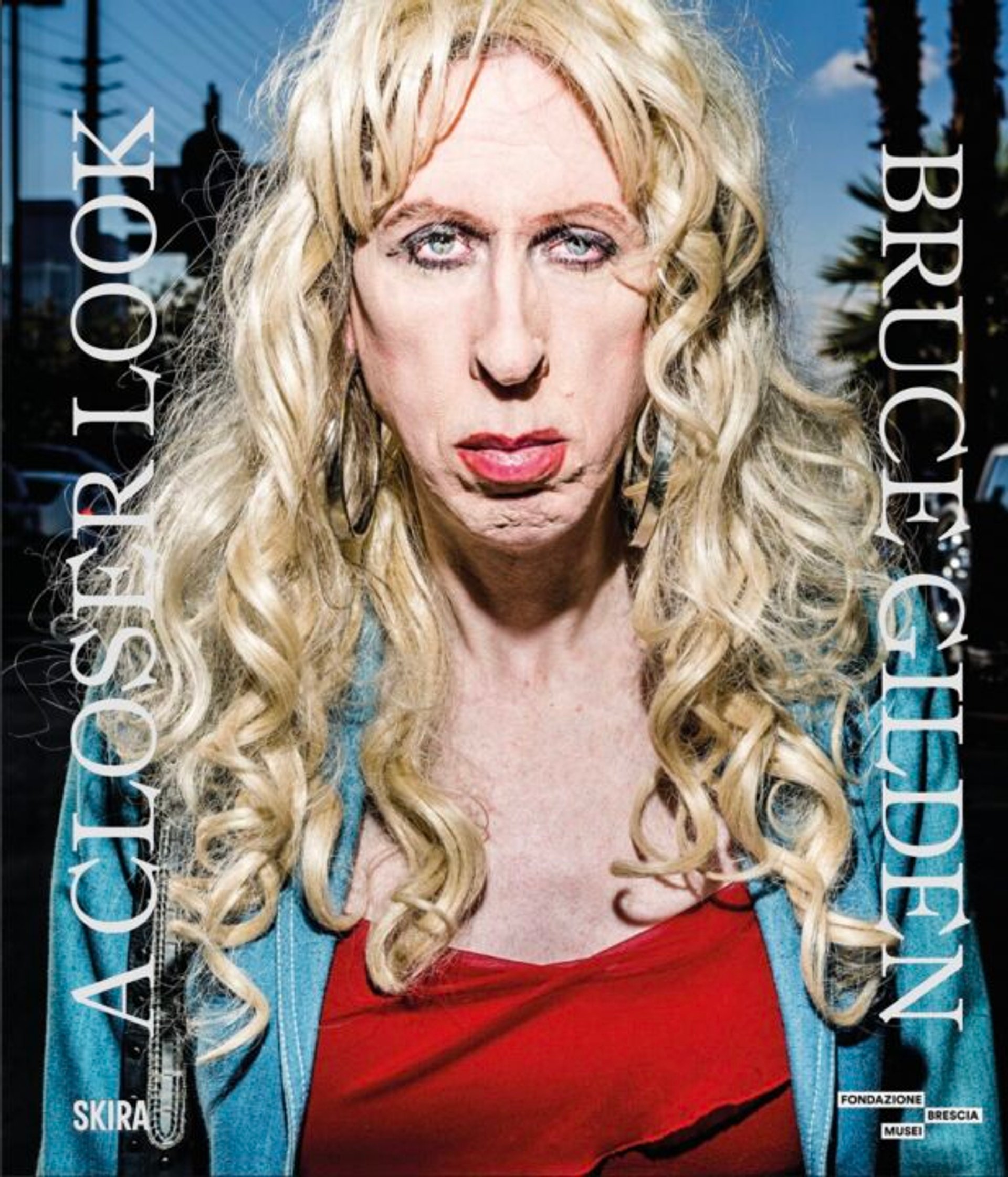
Bruce Gilden: A Closer Look, Denis Curti (editor), Skira, 192pp, £42.75 (hb)
This catalogue accompanies a major monographic exhibition currently on show at the Museo di Santa Giulia in Brescia (until 23 August), featuring around 90 images drawn from Bruce Gilden’s Faces series (2013-24), a collection of portraits captured in cities around the world, as well as a selection of early black-and-white photographs. Gilden says online: “[His] photographic style is defined by the dynamic accent of his pictures, his special graphic qualities, and his original and direct manner of shooting the faces of passers-by with a flash.”The book also features new reinterpretations of two of Raphael’s paintings, The Angel (1501) and Christ Blessing (around 1505), reflecting Gilden’s concept of “grace” as expressed by the Renaissance master.
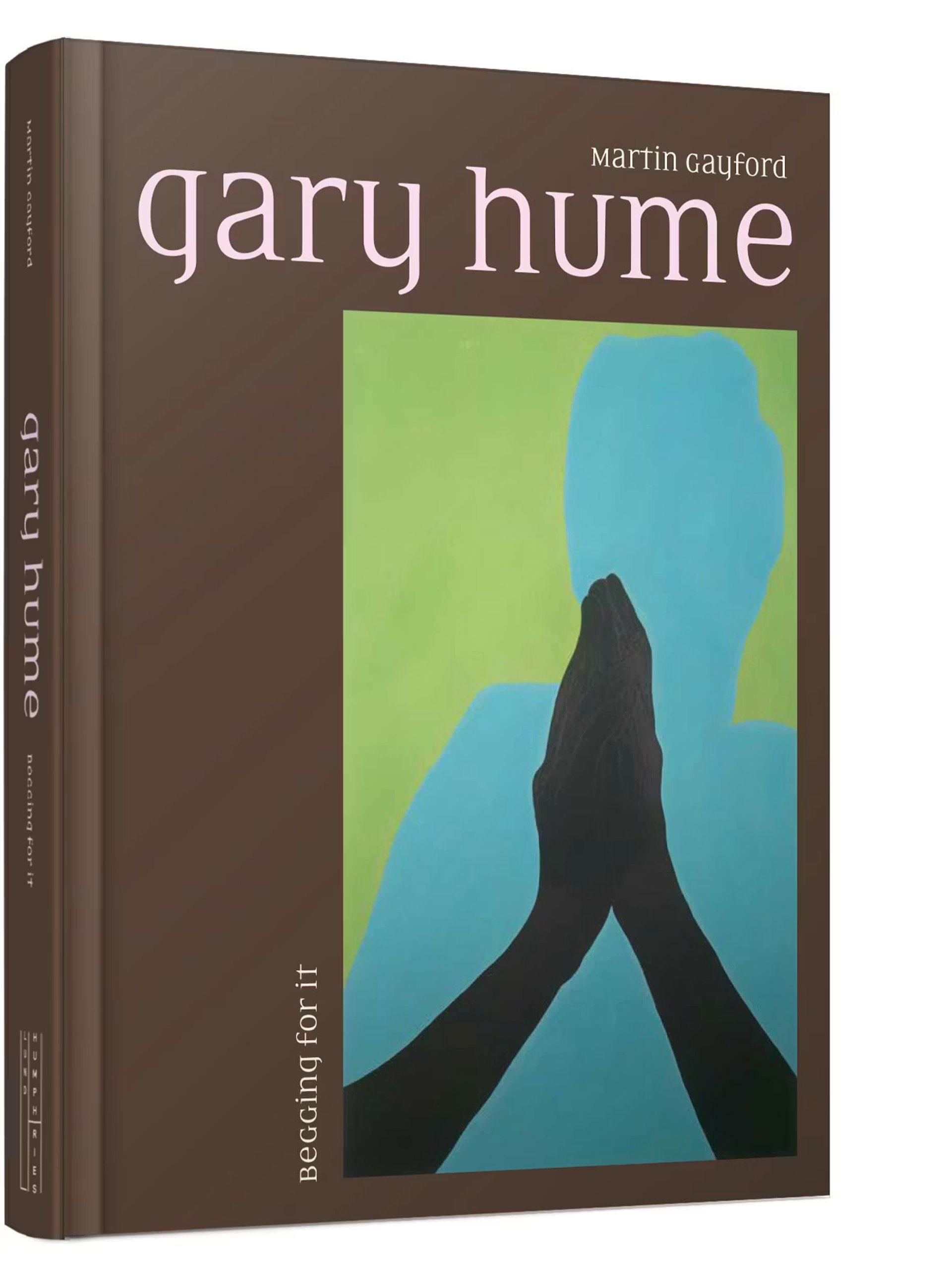
Gary Hume: Begging For It, Martin Gayford, Lund Humphries, 192pp, £45 (hb)
The author Martin Gayford explores the evolution of the work of the Young British Artist Gary Hume, examining the opportunities and dilemmas that helped to shape his “singular pathway”, according to a publisher’s statement. Hume first achieved acclaim with the shiny household gloss Door paintings, which he exhibited alongside his college compadres in the now legendary Freeze show of 1988. In an interview with The Art Newspaper, Hume said: “Painting itself is a still thing, and I just love that. There’s a moment of stillness—even if it’s a Jackson Pollock—there’s a stillness that I completely adore.”
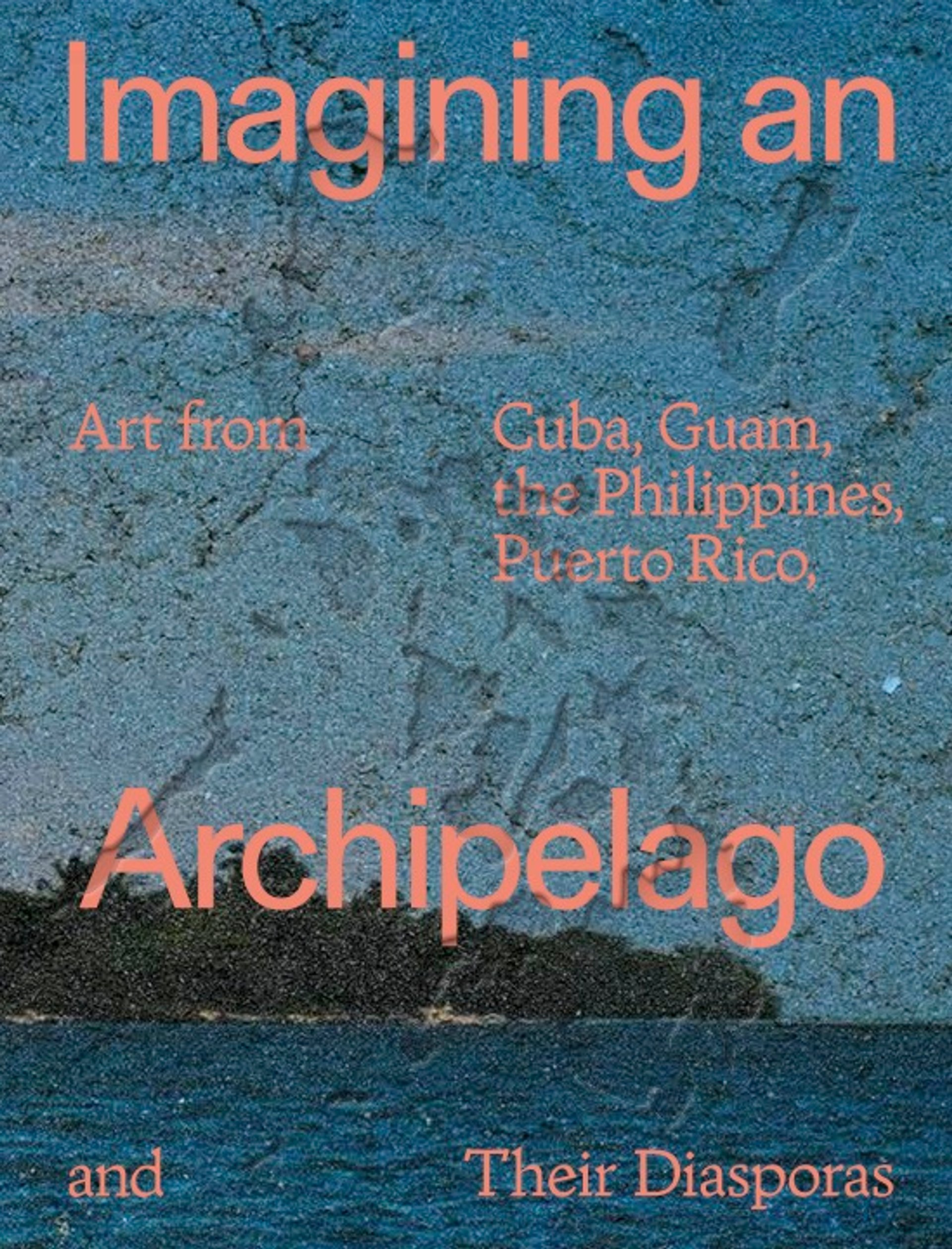
Imagining an Archipelago: Art from Cuba, Guam, the Philippines, Puerto Rico, and Their Diasporas, Jessamine Batario (editor), Delmonico Books, 284pp, $55 (hb)
This publication, which accompanies a show at the Colby College Museum of Art in Maine (11 July-6 June 2027), looks at how “a chain of contemporary artists mount a cross-cultural, multigenerational resistance to Western colonialism”, says a publisher’s statement. The artists featured, including Edra Soto and Isa Gagarin, present works through “the interpretive framework of an archipelago—an expanse of water containing a chain of islands—[that] emphasises these 40 artists’ different yet related strategies toward the critique, defiance and navigation of conditions brought on by continental empires.” Themes explored include cultural and political self-determination, migration, the climate crisis and resilience.
Black Curators Matter: Conversations on Art and Change, Kellie Jones and Tumelo Mosaka (editors), Getty Research Institute (Getty Publications), 176pp, $30 (pb)
The impact of Black curators on US art museums since the 1970s, and the development of key movements in the late 1960s such as the Black Emergency Cultural Coalition, are examined through conversations between six established curators—Lowery Stokes Sims, Deborah Willis, Richard J. Powell, Kellie Jones, Thelma Golden and Franklin Sirmans—and a new generation of museum professionals including Ashley James, Kalia Brooks, Aaron Bryant and Thomas Jean Lax. “Capturing the voices and experiences of Black curators, these discussions highlight their achievements and provide guidance for future generations aiming to diversify and enrich the cultural landscape,” says a publisher’s statement.