

As we round out 2026, the fintech industry has shifted from talking about AI to talking about AI agents. Agentic commerce has gained popularity as consumers and businesses have started using AI agents to compare prices, book travel, search for products, and identify opportunities to save money. Research, however, is only one component of outsourcing tasks using AI. Completing those tasks often requires the ability to make a payment.
To keep up the pace of what is now technically possible using agents, fintechs and banks have started to introduce financial tools designed for AI agents. Instead of giving an agent unrestricted access to an entire bank account or credit limit, these new solutions allow users to delegate spending authority while maintaining control over the amount an agent can spend, the merchants at which it can spend, and when to require approval before finalizing a transaction.
The latest fintech creating structure for agentic payments is stablecoin payment infrastructure company Rain. The New York-based company recently introduced Agent Vaults, a solution that allows developers to equip AI agents with funded balances, spending controls, and transaction-specific payment cards.
In addition to Rain, many other fintechs have developed tools that offer AI agents spending and money transfer capabilities. Generally, there are three approaches to agent spending: dedicated spending accounts, agent-specific payment cards, and delegated payment authorization. Here’s a breakdown of each model and a look at the companies bringing them to market.
Dedicated spending accounts and wallets
Dedicated spending accounts give an AI agent access to a separate pool of funds rather than allowing it to spend directly from a user’s primary account. Users determine how much money the agent can access and what it is allowed to do with the funds by giving the AI agent an allowance with a limited amount of money, setting spending limits, and restricting the types of transactions the agent is allowed to make. Using its designated account, the agent can complete authorized purchases without having to request approval for every transaction.
There are multiple fintechs using this model:
- OnePay announced Agentic Banking in October, introducing a separate spending pocket for AI agents. Eligible customers can fund a dedicated subaccount, select predetermined purchase and monthly spending limits, and authorize agents to make purchases without accessing their main account. The company also supports agent-directed cryptocurrency trades.
- Rain, as mentioned above, introduced Agent Vaults to allow developers to embed funded spending balances directly into AI-powered applications. Users can fund vaults through bank transfers, cards, or stablecoins, allowing their agents to make purchases and send payments within predefined limits. Rain also issues transaction-specific virtual cards for purchases.
- Circle’s Agent Stack offers stablecoin payment infrastructure that enables AI-driven transactions using USDC. Its infrastructure supports programmable payments, including transactions involving digital services and APIs.
- Crossmint provides non-custodial wallets for AI agents that can be funded with cards or stablecoins. Developers can establish spending limits, approved destinations, and expiration dates. The accounts enable agents to pay for digital services and other purchases with restricted access to funds.
- Coinbase has introduced agent-focused blockchain wallet infrastructure that enables AI agents to transact using digital assets within programmable spending limits.
While, broadly, dedicated accounts limit an agent’s exposure to a user’s broader financial holdings, the underlying products differ among fintechs. For example, OnePay’s spending pocket is a financial subaccount, while products from Circle, Crossmint, and Coinbase rely on blockchain-based wallets.
Agent-specific virtual cards
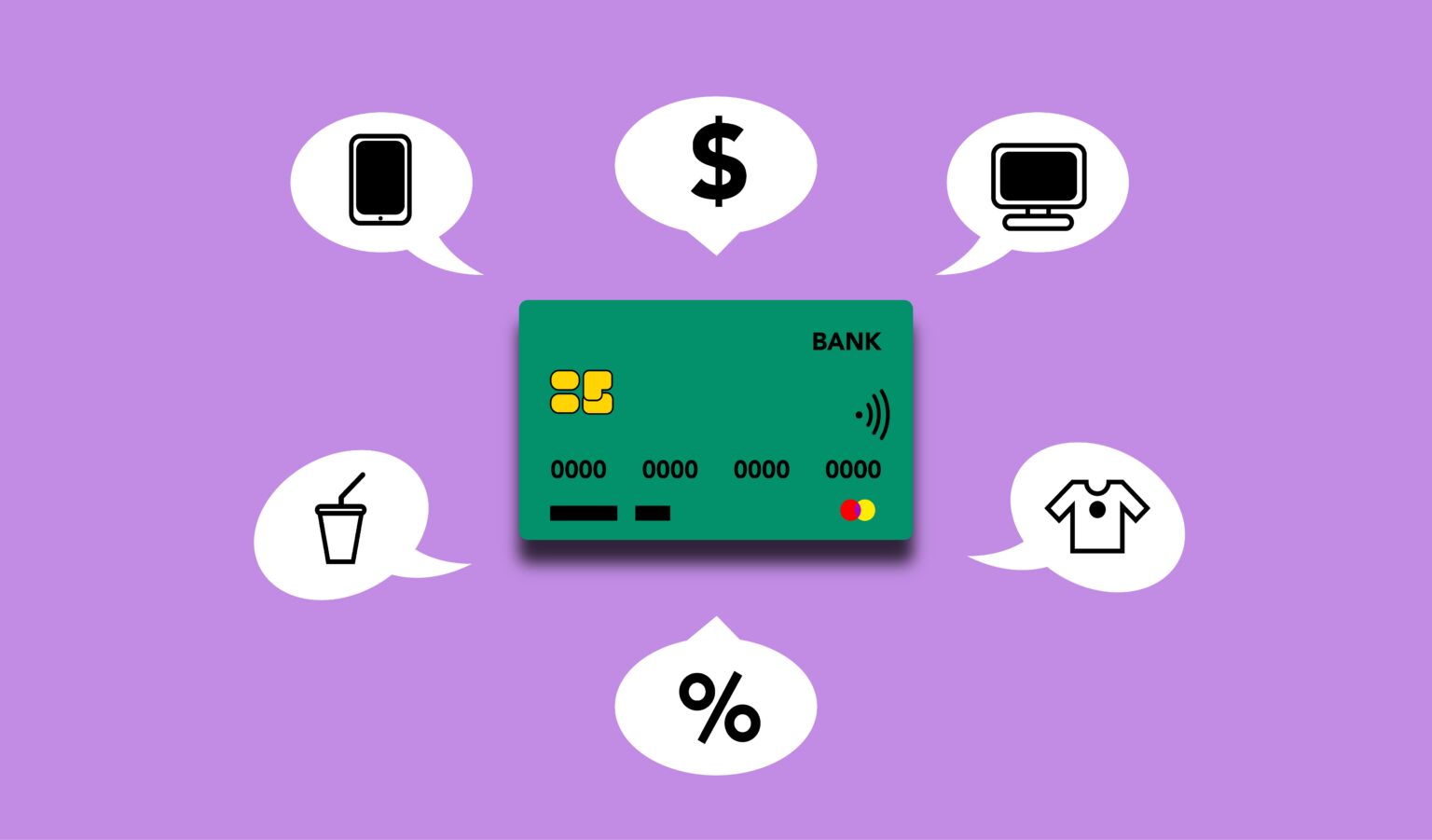
The second approach gives AI agents their own virtual payment cards, allowing them to make purchases through existing card networks. These virtual cards enable users to impose restrictions at a more granular level than they would be able to with traditional payment cards. Generally, users can specify spending limits, approved merchants, expiration dates, and whether purchases require human approval. The virtual card approach is designed for agents that purchase goods and services from merchants that already accept card payments, since agents can use existing checkout infrastructure.
Companies offering agent-specific card capabilities include:
- Robinhood, which offers an agentic credit card through its Robinhood Gold Card program. Customers can connect a compatible third-party AI agent through Robinhood’s Model Context Protocol (MCP) integration and create a virtual card for agent purchases. The platform gives users the option to require approval for individual purchases or establish monthly spending limits.
- Ramp’s agent cards allow a business’s AI agent to make purchases under predefined budgets and spending policies. As a business financial management platform, the company offers automated procurement and other business spending workflows.
- Corpay launched its agent card capabilities in July to enable businesses to issue controlled virtual cards for agent-initiated purchases. Similar to Ramp, capabilities include procurement and supplier payments, business travel, and advertising.
- Rain issues virtual Visa or Mastercard credentials from its agent vaults. Each card can be restricted to a particular merchant, amount, and expiration period.
- Crossmint offers agent-specific payment credentials that allow developers to combine wallet-based funding with virtual-card purchases at conventional online merchants.
Agent-specific virtual cards are an easy starting place when launching agent-compatible payment tools because they are compatible with existing payment infrastructure. Banks and card issuers, however, have to make decisions and create guardrails around authentication, transaction authorization, fraud monitoring, and liability when an autonomous agent initiates a payment.
Delegated payment authorization
The third approach differs from the first two in that, instead of giving agents a separate account or card, payment authorization offers a way for agents to initiate payments using a consumer’s existing financial credentials. This model allows an agent to act on a user’s behalf in cases where the payment network, merchant, and financial institution have established that the transaction was authorized. Delegated authorization frameworks can use tokenization, authentication, and permissions to help establish guardrails for the agent.
Major payment companies have developed infrastructure for delegated payments:
- Visa is developing Visa Intelligent Commerce, which supports AI-initiated shopping and payments using tokenized payment credentials, consumer permissions, and network-level controls.
- Mastercard has introduced Mastercard Agent Pay, an infrastructure framework designed to support agent-initiated commerce while identifying agent transactions and maintaining consumer authorization.
- Stripe is developing agentic commerce infrastructure that enables AI applications and merchants to facilitate purchases through established payment methods and checkout integrations.
- PayPal is building agentic commerce capabilities that connect AI-driven shopping experiences with its existing payments ecosystem.
Delegated authorization differs from dedicated spending accounts because it does not necessarily require users to set aside funds for an AI agent, but instead establishes the conditions where an agent can initiate a payment using an existing funding source. This model may be easier for consumers who do not want to set up additional accounts or cards for an AI agent. The drawback, however, is that it places responsibility on payment providers, issuers, and merchants to verify agent identity.
What agent spending means for banks
You may have noticed that these three approaches are not mutually exclusive. Rain, for example, combines a dedicated spending balance with transaction-specific virtual cards and support for Visa and Mastercard’s agentic payment frameworks. However, these models work together as infrastructure to cater to AI agents, a new category of shopper that comes with its own unique needs.
Banks may find opportunity in enabling AI-powered checkout and in supporting multiple agents with different permissions and spending limits. The size of this opportunity is still largely unknown, as consumers are still experimenting with agentic shopping and many have expressed distrust of agents. What we do know, however, is that agents will be involved in the commerce experience going forward and that building infrastructure and guardrails around their use is essential.
Photo by Monstera Production